Tenerife – My Canary Islands Exploration

Through the ages the volcanic Canary Islands grew from the Atlantic Ocean floor off the coast of Western Africa. I have long been fascinated by these islands so last week I gave myself a getaway exploration birthday present for the Thanksgiving holiday… after all, this birthday was the big one!
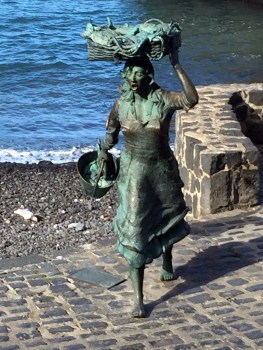
Fisher woman
Julio Nieto’s fish woman with a basket of fish on her head and in her pail at the harbor is a tribute to Santa Cruz’ fishing industry.

I had several decisions to make about going to Tenerife. The first decision was where to stay… north or south on the island. The island actually has two international airports serving mostly Spanish flights in the older north and mostly other Europeans in the newer south. I wanted more of the traditional flavor so I chose the north and the old town of Santa Cruz where fishing was at one time the predominate trade.

The belief is that Tenerife was initially inhabited by people from Africa about 2500 years ago but nobody is quite certain about where the natives came from. As European exploration accelerated after Columbus’ voyages to America, the Canary Islands became a “jumping off” point for voyages to the New World. In the process, Spain conquered the island’s inhabitants in the 15th century and despite attempts by others, has retained control ever since. No where more than in Santa Cruz can you feel traditional Spanish influence. There are no longer any purely indigenous people on the island.
IMG_3203
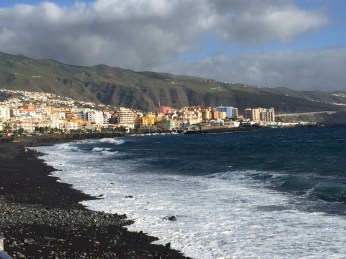
Black sand beaches of Candelaria on Tenerife

Except where changed by man, the island landscape has been shaped by volcanic activity. I toured the island which is almost the size of Rhode Island in the USA. The difference between the south and north is striking. The Playa de Las Americas in the south is about 50 years old with construction and things to do characteristic of Northern Europe along with its beach with yellow sand imported from Africa. You feel wealth in the south. In contrast, Santa Cruz has traditional black sand beaches with many lava rocks in the water. The  visitors in the north are notably older than those in the youthful Playa de Las Americas in the south.

In the center of the island is El Teide volcano and the national park. At 3718 meters (12,198 feet) it is the highest point in Spain. Weather conditions didn’t permit going there during my visit. However, an Ultra Marathon did take place which ran from the south of the island to Santa Cruz and went along the volcano rim! The volcano and national park will be a topic for some future adventure to the island.

IMG_3254
Thought to be about 1000 years old this Dragon Tree is the symbol of the Canary Islands

During my tour of the island I ate delicious Canary Island soup with potatoes, chick peas, ham, onions, carrots, and short spaghetti-like pasta. I also went to Icod de los Vinos where I saw the famous Dragon Tree in the Parque del Drago. The tree is thought to be about 1000 years old and is one of the most photographed trees in the world. Legends say that when dragons die they become dragon trees. This one is a symbol of the Canary Islands and has a 20 meter diameter at the base and is 17 meters tall. It is thought to weigh about 150 tons!
IMG_3193
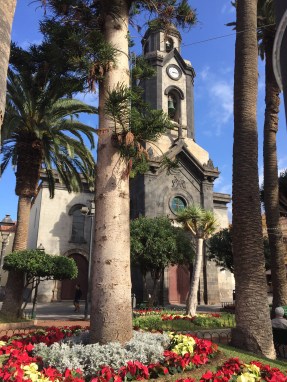
The church at Plaza De La Iglesia in Santa Cruz

The Parque del Drago and the dragon tree is located next to the town church in Icod de los Vinos. The architecture in Santa Cruz and throughout the traditional portions of the island is colorful and beautiful. The church at the Plaza De La Iglesia in Santa Cruz is an example in its simplicity and surrounding gardens and fountains. I found this everywhere I went on Tenerife.

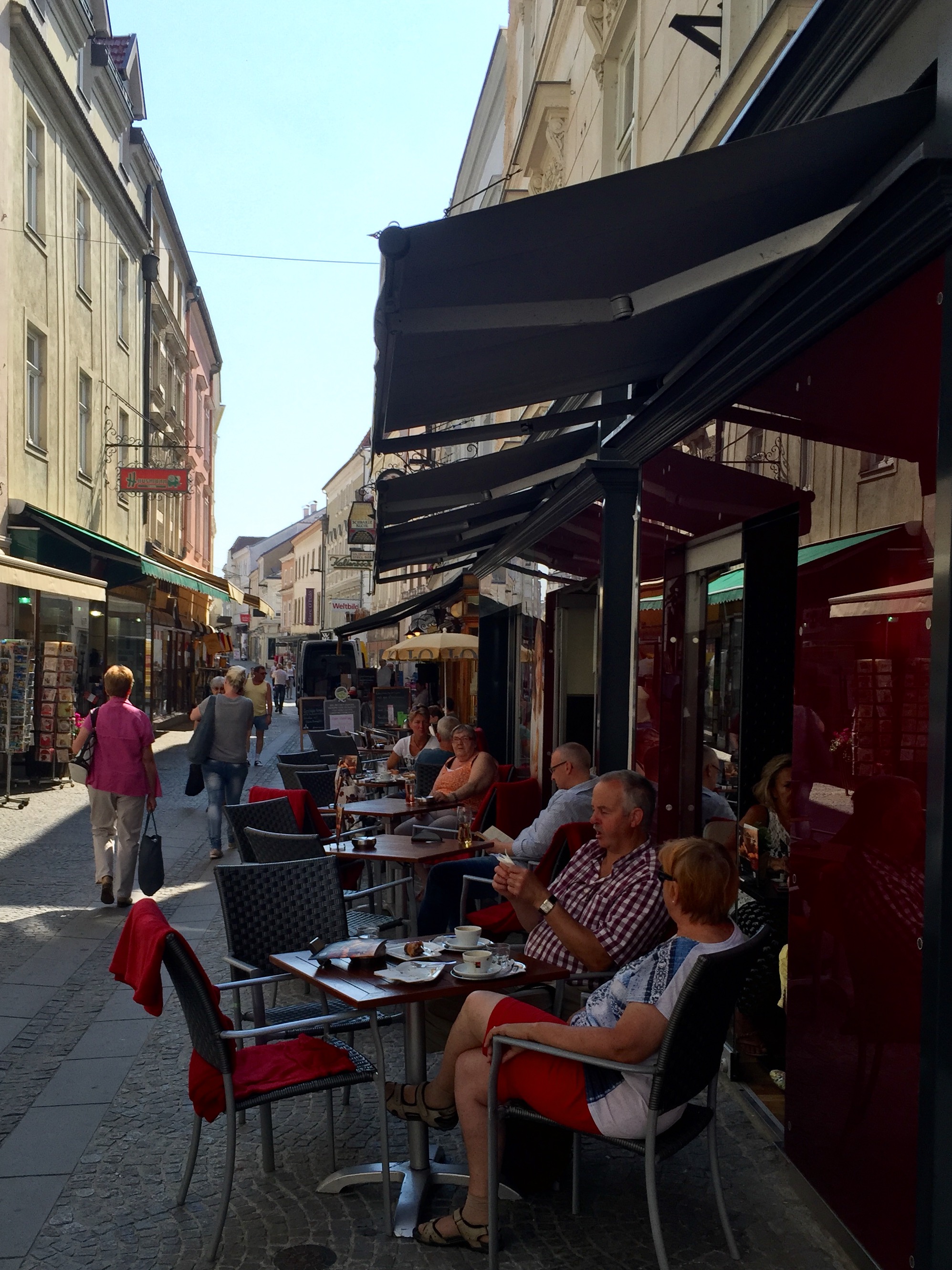
The beautiful, traditional town of Santa Cruz is very much like what you see throughout Europe but with a Spanish flare. There are always numerous shops scattered in with the old town buildings. It was fun to walk through “Old Town” along the waterfront, watch the people, and eat at outdoor cafes. Several of the cafes have Christmas decorations displayed and street vendors are now roasting chestnuts.

The beauty of this land comes from the volcanic history which has given shape to the mountains, provides for lush vegetation, has given birth to a banana industry, and provides stunning scenes along the ocean. The island calls for visitors to come, enjoy, and most of all, return.

IMG_3186
Atlantic Ocean waves crash into volcanic rocks on Tenerife Island

Reflections in Photos of My Austrian Summer

This statue in Krems is called
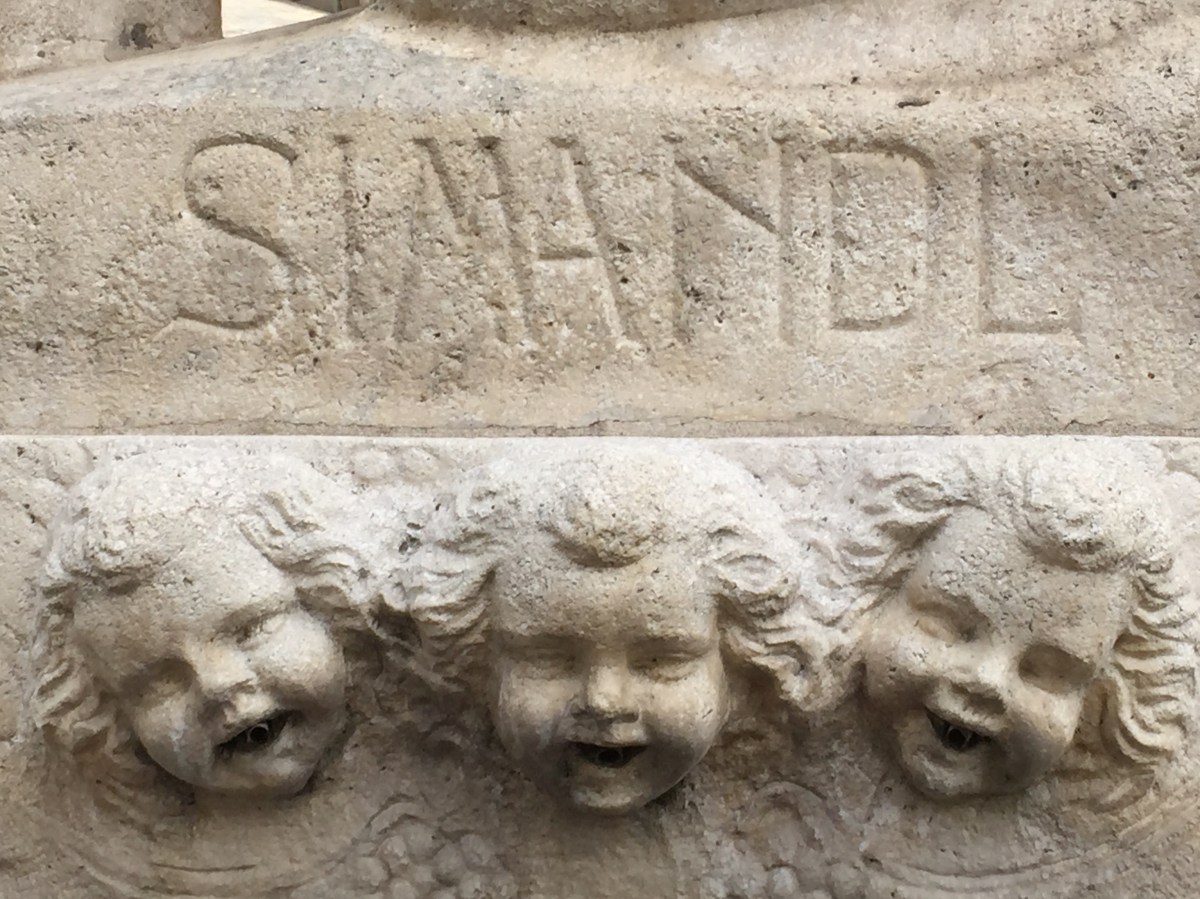
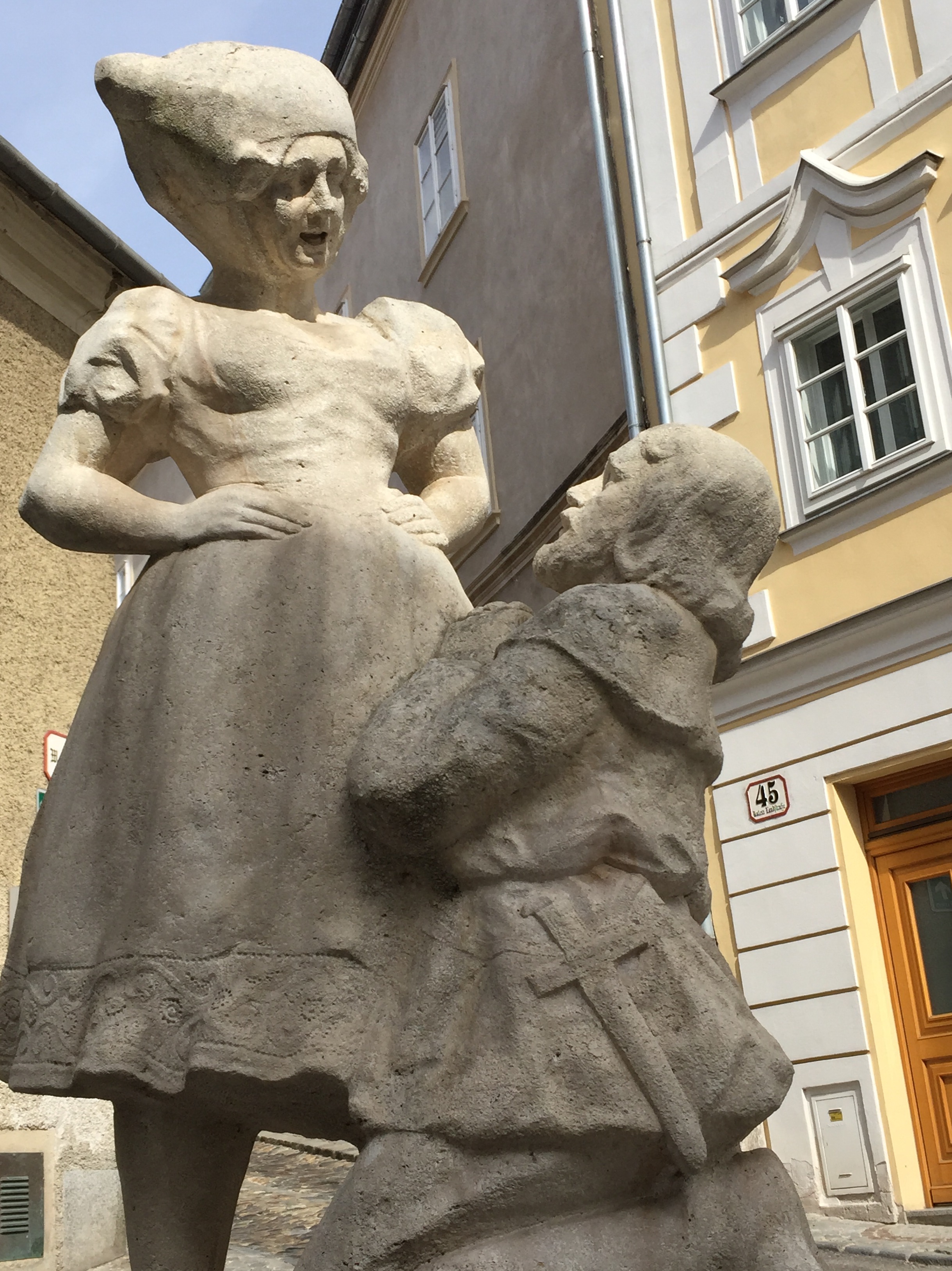
This statue in Krems is called “Simandl.” It is about the hen-pecked husband begging for the house keys so he can stay out late with the boys.

In three weeks the time on the clocks will change here in Central Europe and we will be on “Winter Time.” Summer has come and gone as I spent much of it exploring Austria on holiday and in two weeks I return to Spain.

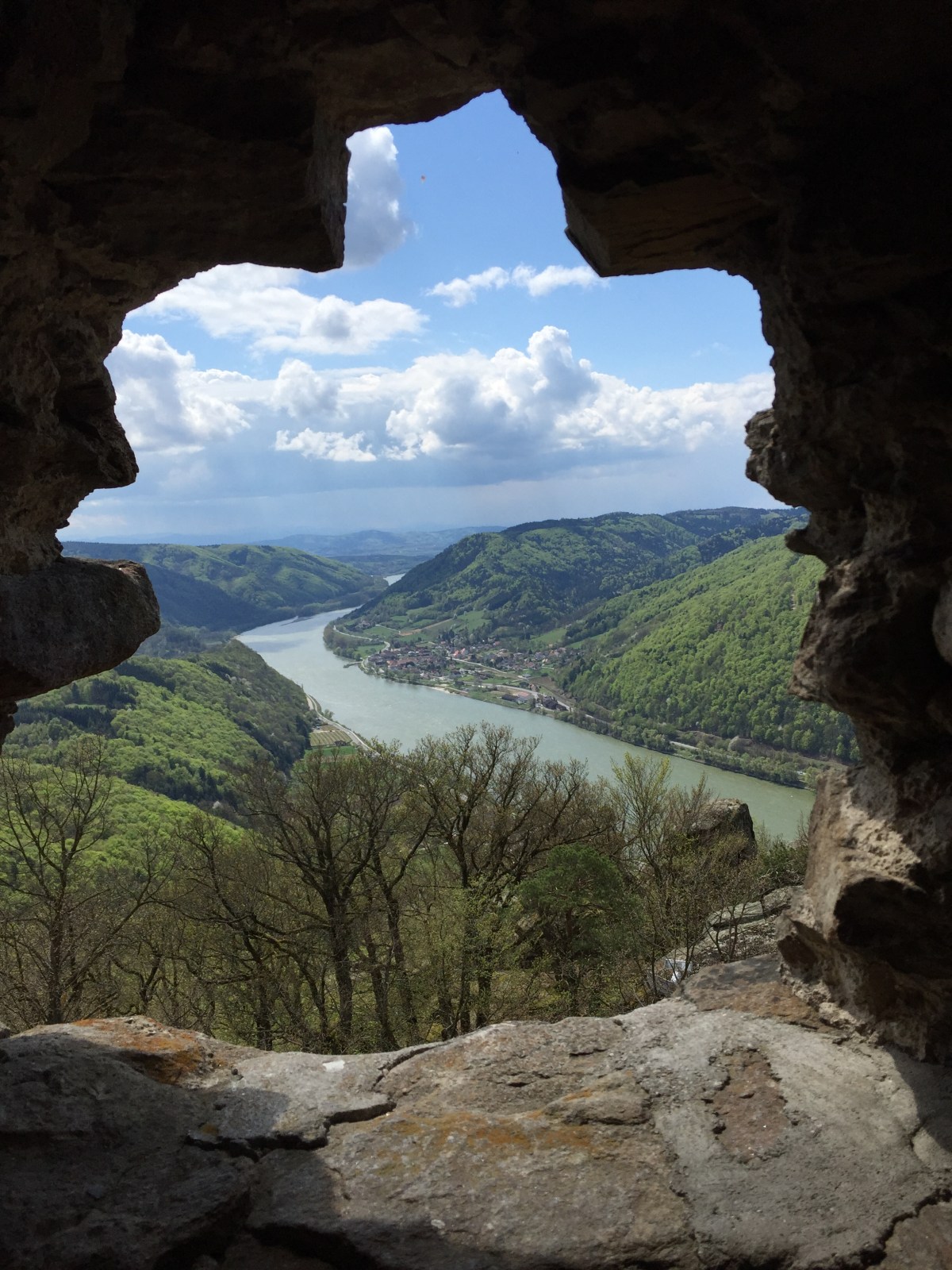
A grand Danube River View from Aggstein Castle in Wachau Valley
A grand Danube River View from Aggstein Castle in the beautiful Wachau Valley

I have most recently been living in a small village in Wolkersdorf but my travels have taken me far and wide throughout the country to Krems, Horn, Melk, Tulln, Semmering, Salzburg, Graz, Innsbruck, Villach, the Wachau Valley, and Vienna. Many of these beautiful places, people, and artwork have been captured in photographs that I have shared on Facebook, blog entries and in messages to friends and family.
It is both happy and sad to be returning to Spain in two weeks. I have greatly enjoyed my holiday in Austria and with Winter cold and snow coming and the time change bringing darkness earlier in the day, I am anticipating the warmth on the Costa del Sol and friends there. I will miss the people I have met in Austria, the confectionaries, lattes, apple strudel, wiener schnitzel, and this distinct culture that I have appreciated.

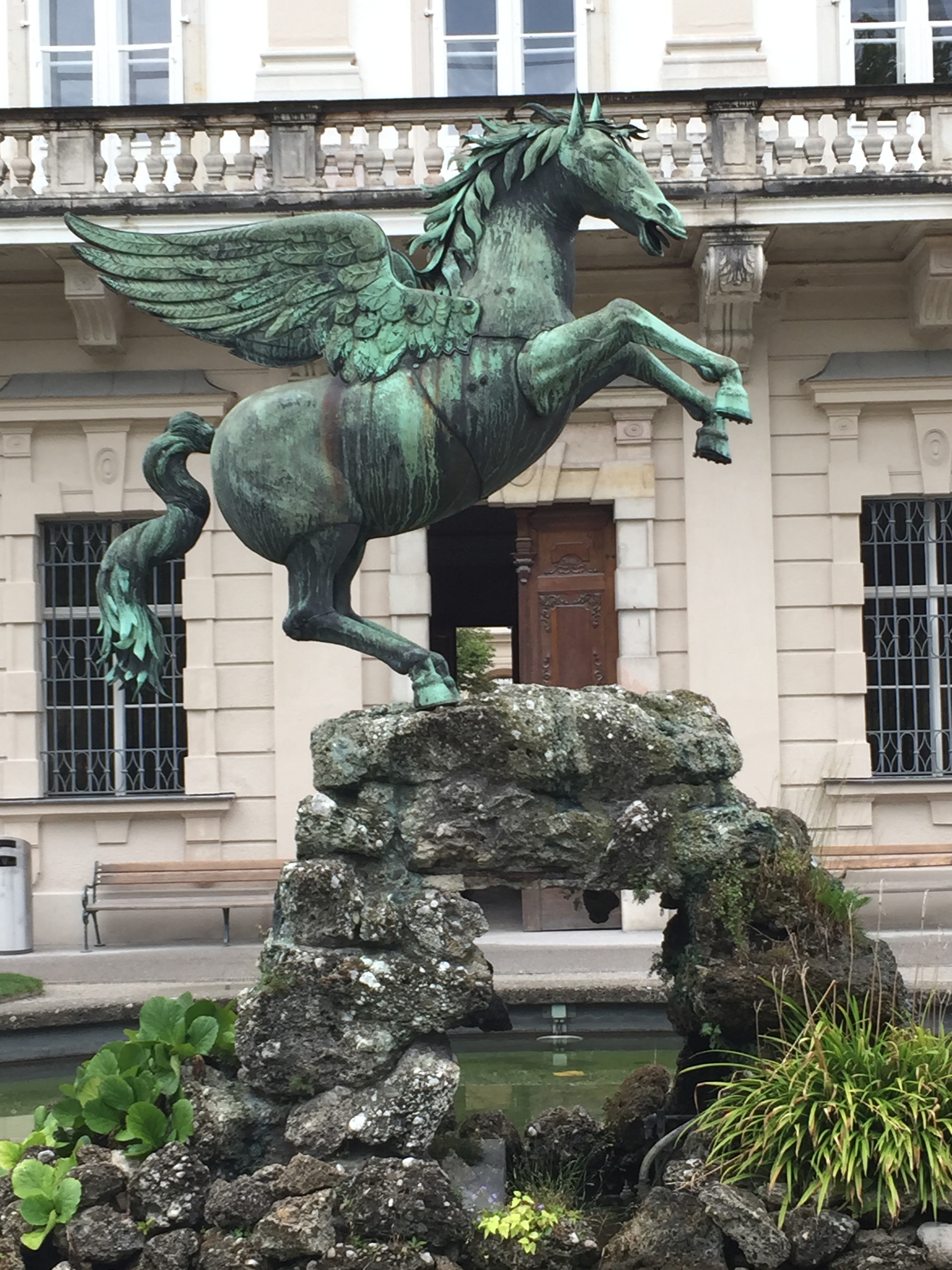
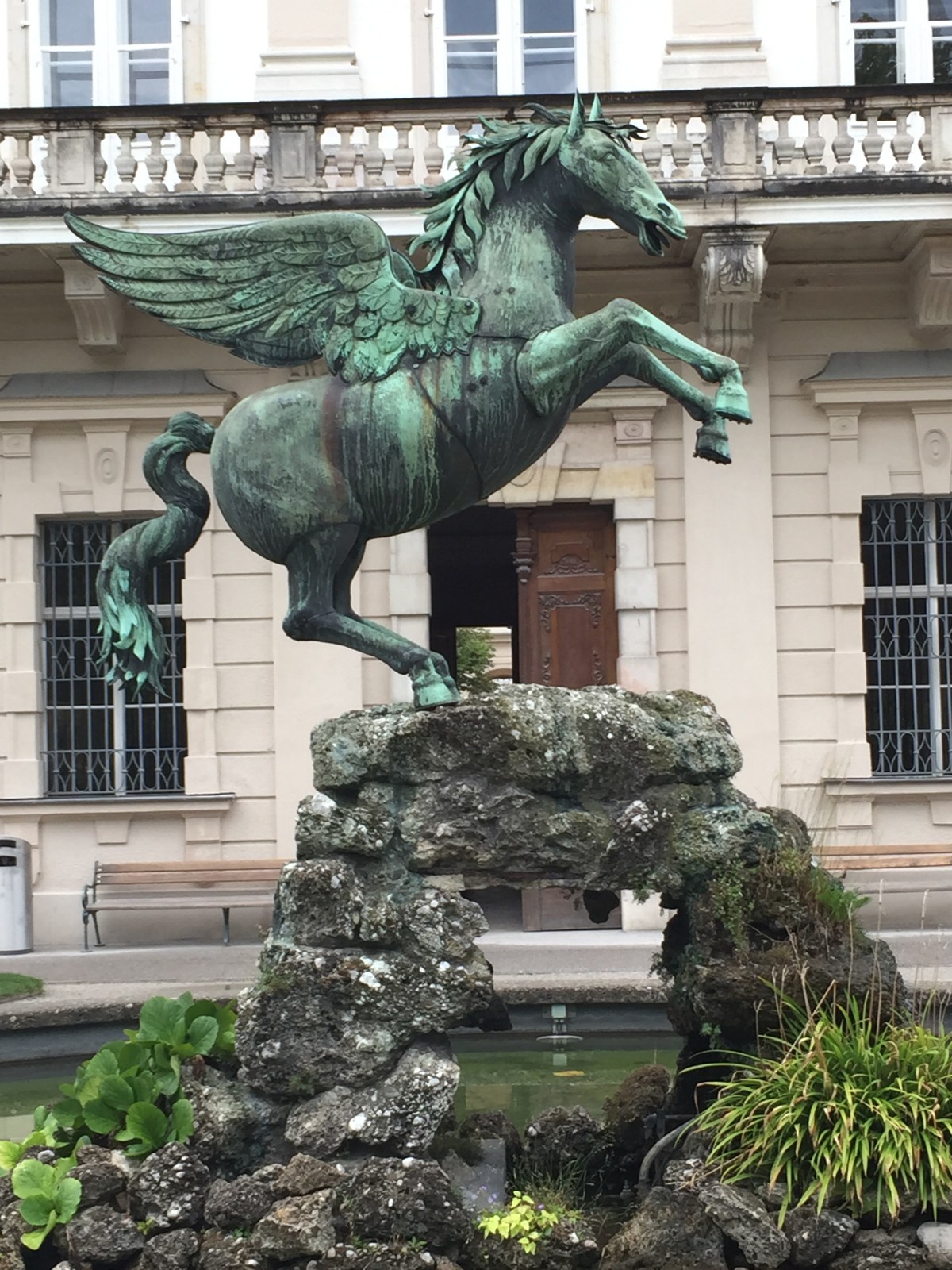
In Salzburg, Pegasus in Mirabell Gardens. It was also in The Sound of Music 50 Years Ago

Today’s blog is all about places I have captured in photos while in Austria. I hope you enjoy them!

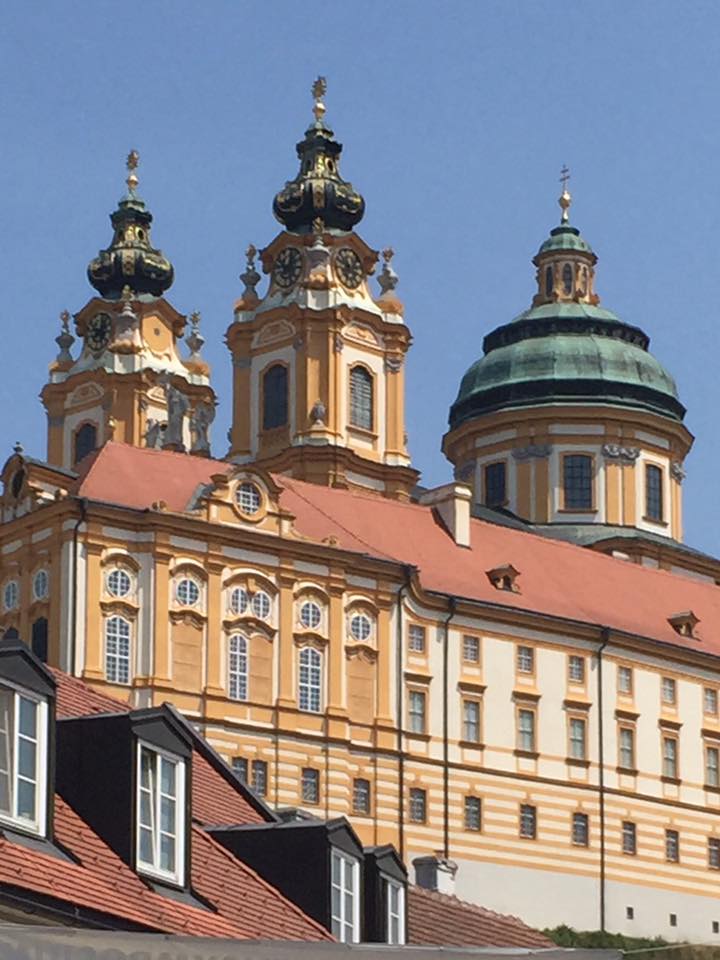
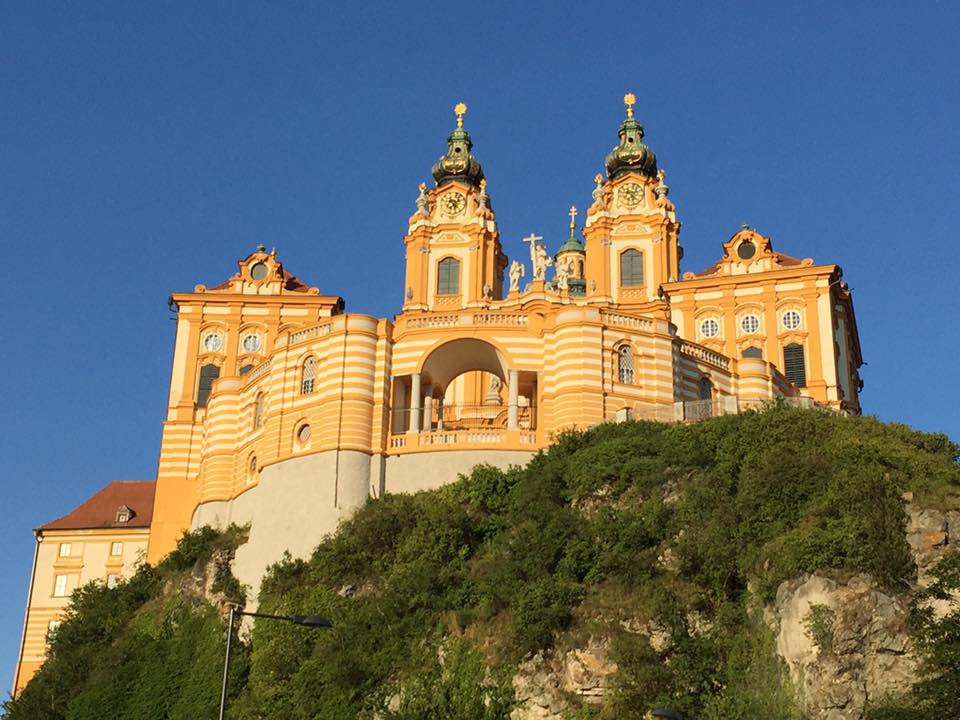
Melk is at the beginning of the Wachau Valley and is also on the Danube River. It's famous Benedictine Stift Melk Abbey dwarfs the little town.
Melk is at the beginning of the Wachau Valley and is also on the Danube River. It’s famous Benedictine Stift Melk Abbey dwarfs the little town.

My initial stop in Austria was in Krems an der Donau. It is one of the oldest settled communities in all of Austria and was an excellent place to begin my Austrian holiday. Many people speak English in all of Austria but especially in Krems. I wrote a few entries in my blog about Krems but my favorite one is here. Following Krems, I stayed awhile in Melk. In Melk I particularly enjoyed the park at the Abbey and wrote about my Melk holiday. Krems and Melk are the bookends of the Wachau Valley. Famous for apricots and grapes for wine, the Danube River flows through the Wachau passing many small villages with Spitz, Durnstein, Rossatz, and Emmersdorf among my favorites. The castle ruins at Aggstein are in the Valley and well worth the visit. I wrote about Aggstein and its famous “Little Rose Garden.” I especially enjoyed visiting the ruins during a Renaissance festival and loved the food and writing about my visit to Aggstein.

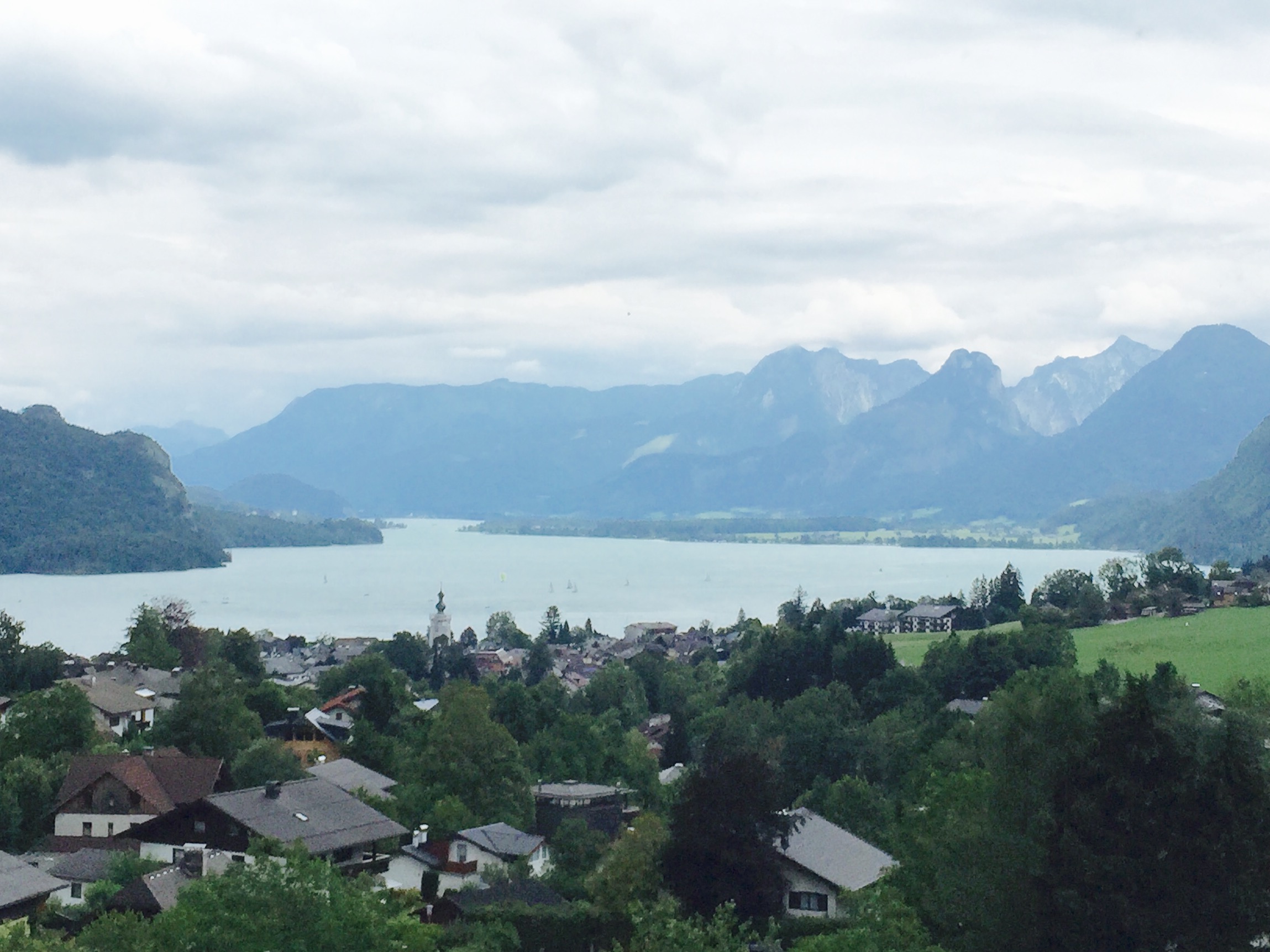
Lake Wolfgang near Salzburg was in the opening scenes of the movie
Lake Wolfgang near Salzburg was in the opening scenes of the movie “The Sound of Music.”

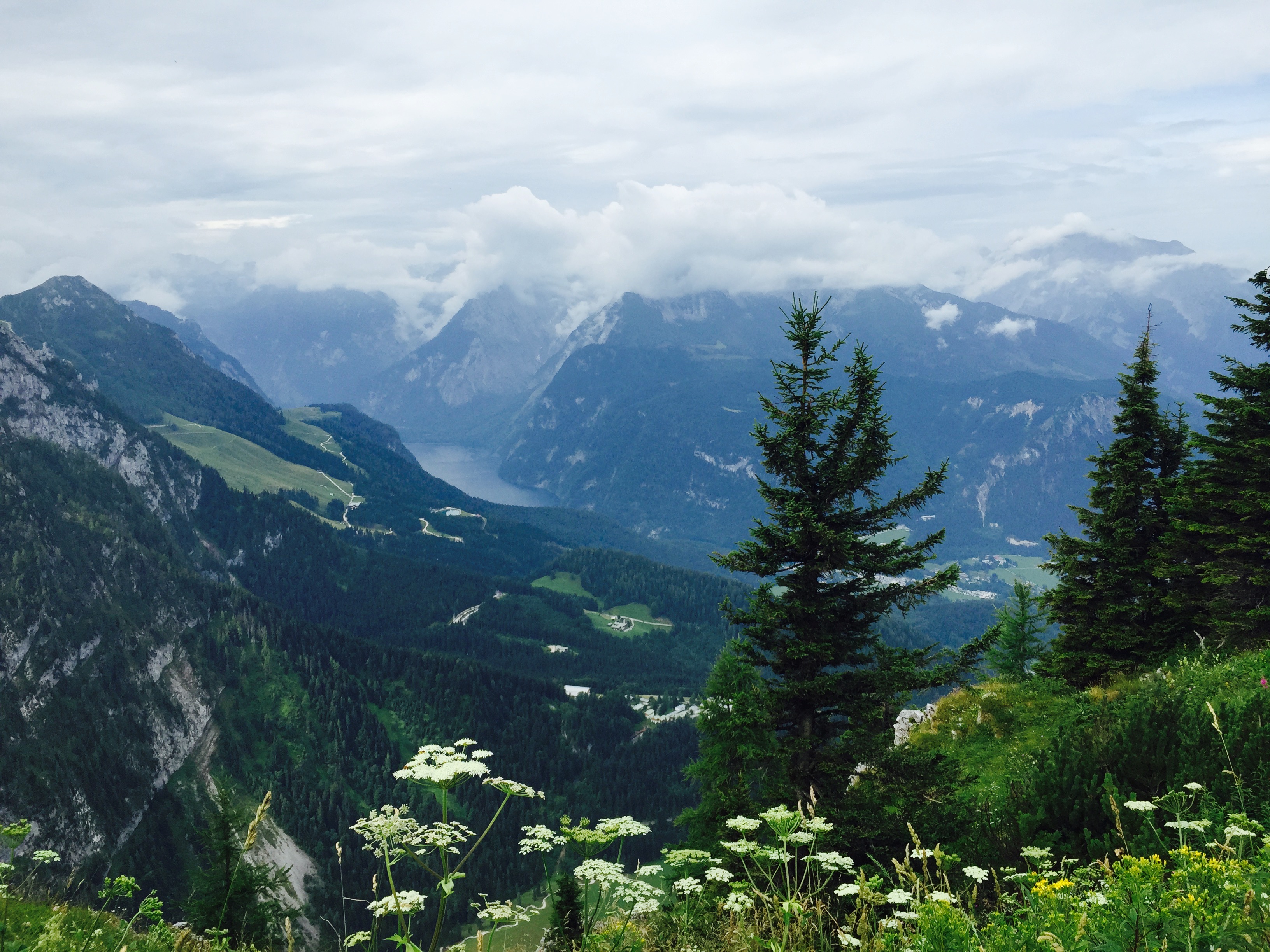
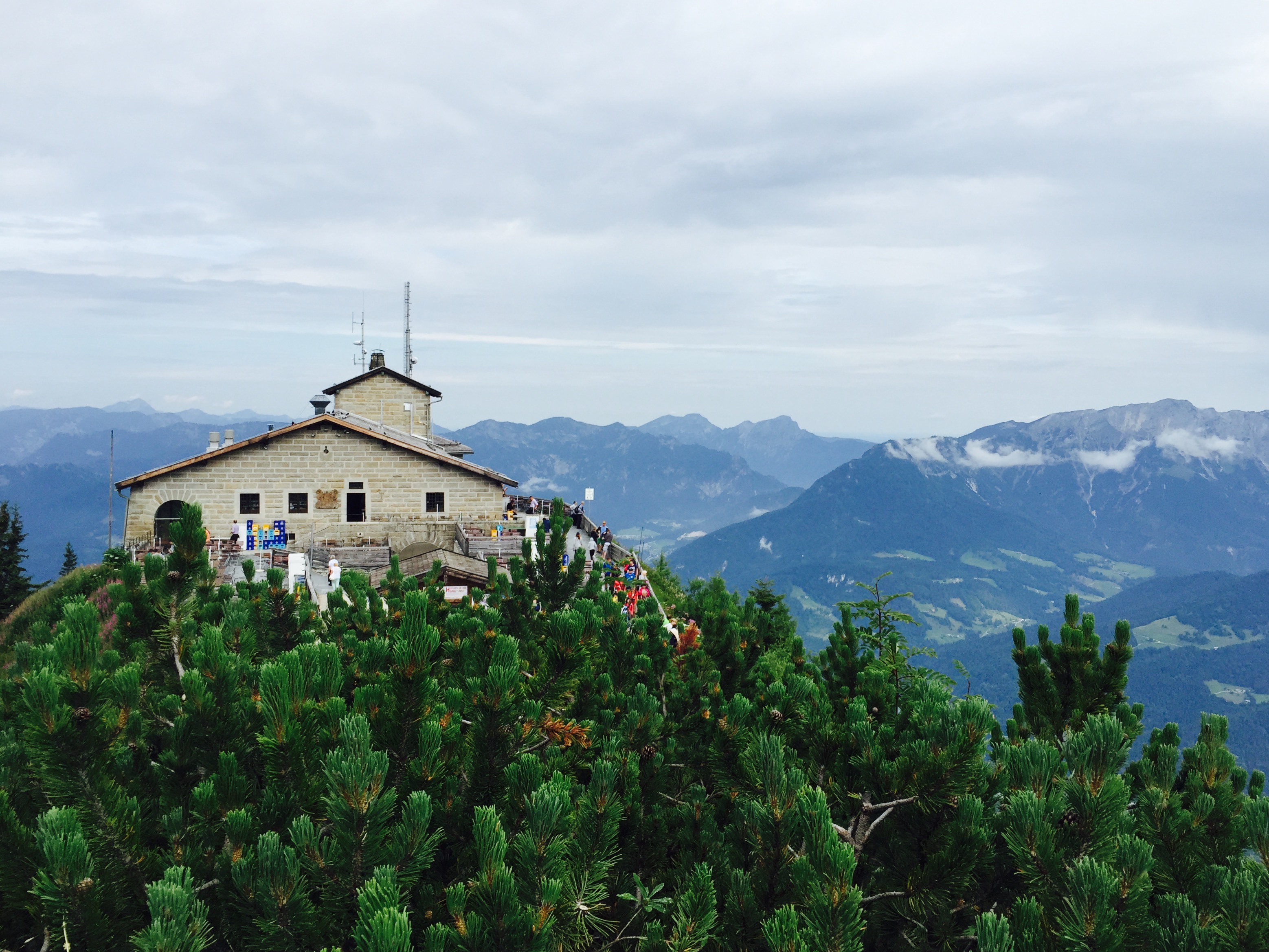
A beautiful view of the Alps in Bavaria from Eagle's Nest
A beautiful view of the Alps in Bavaria from Eagle’s Nest

In many of the places I have mentioned I went by train and boat to visit towns and cities in Austria. Most notable to me was Salzburg and is certainly one of the places I want to visit again someday. Salzburg is the location for the movie “The Sound of Music.” The scenery in the mountains and lakes is stunning and in the mountains one cannot help hearing Julie Andrews singing “The hills are alive with the sound of music.” While in Salzburg I visited Hitler’s “Eagles Nest” where the beautiful mountain views take your breath away. I wrote two blogs about my visit to Salzburg and Eagles Nest. One can’t help but to be inspired to write in these places with beautiful skies and spectacular peaks.

2
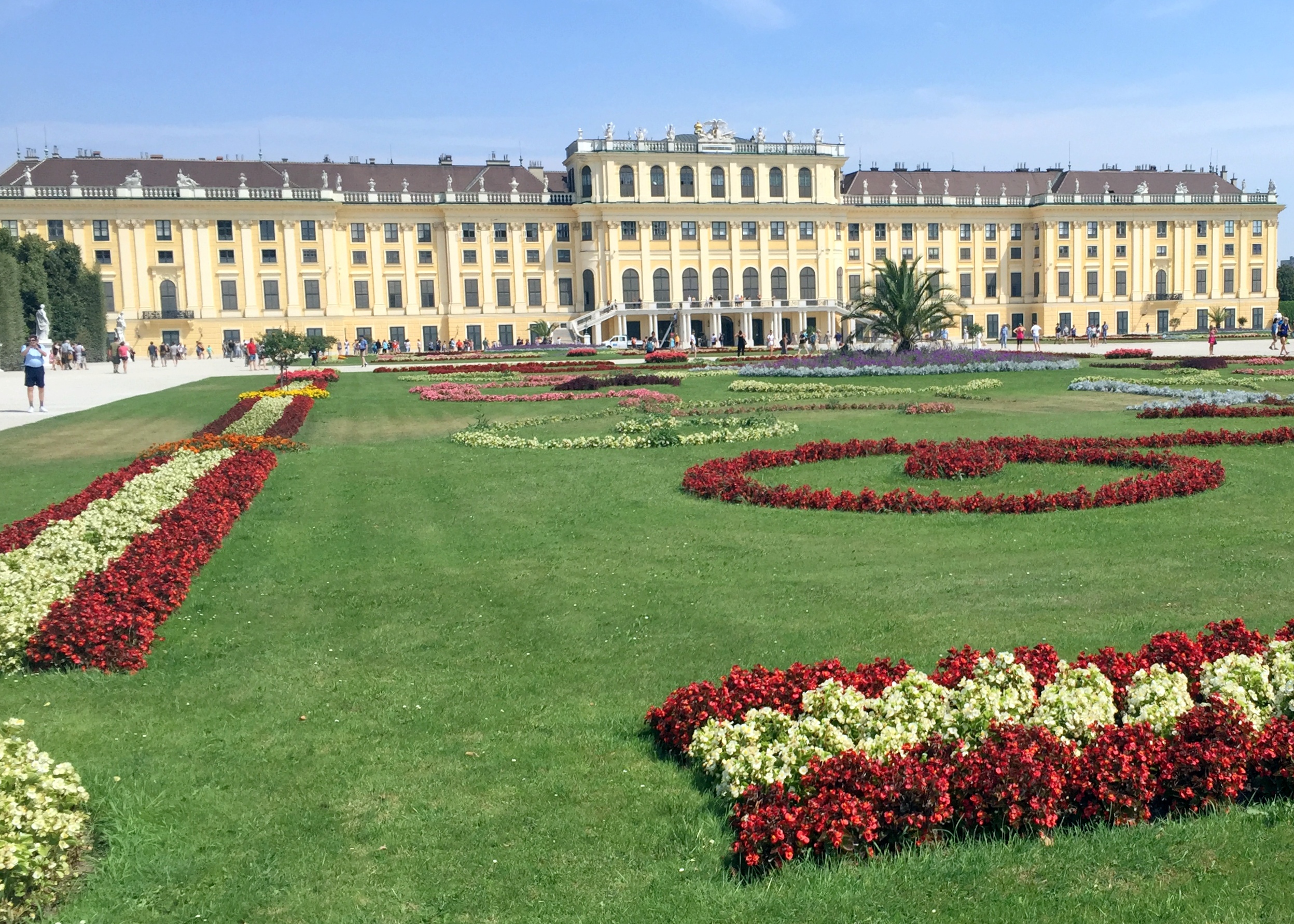
Schönbrunn Palace, the Summer residence of the Hapsburgs

Johann Strauss in beautiful Stadtplaz in Vienna
Johann Strauss in beautiful Stadtpark in Vienna

I have taken so many photos that it is always difficult to determine which to include in any blog or to post on Facebook. Staying in Vienna presented a problem in that there are so many places one wants to visit and if I were to reflect on them all, the blog would be way too long. The city offers so much… classical music by Strauss and Mozart among others, opera, historic, beautiful monuments and architecture, and wonderful food and drink. I narrowed my photo selections to a few and decided to write about the “City of Dreams” from a perspective that focused on present day Vienna as dreams that have been realized. There are also memories in Vienna that are sad such as the 65,000 Jews who never returned during the Holocaust, the NAZI annexation of the entire country during World War II, and the oppression by the occupying Russian forces following the war. Vienna was also the capital of the Austro-Hungarian Empire and there are wonderful and sad stories throughout the history of the Empire. These are captured in the numerous museums throughout the city.

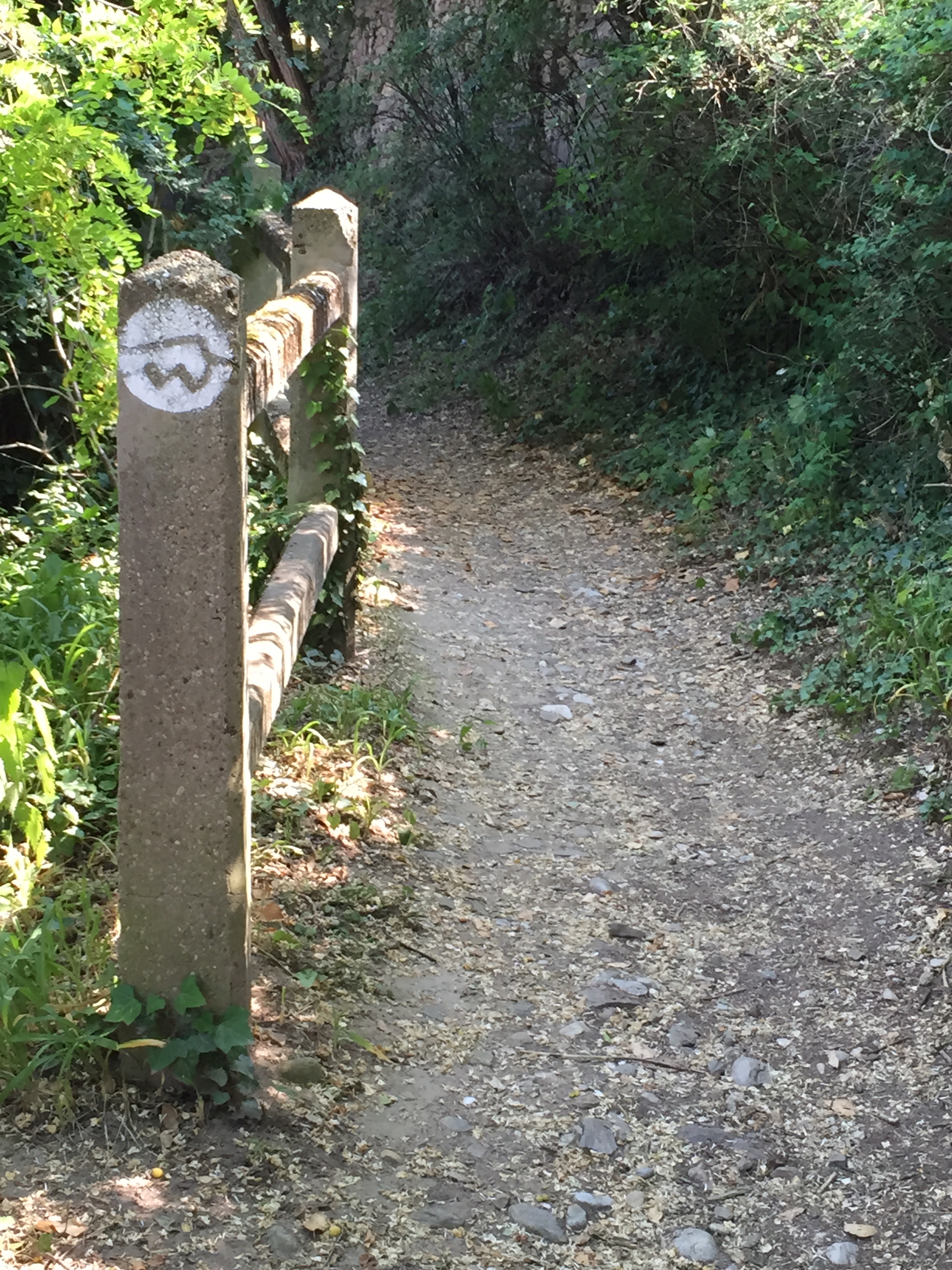
A Wachau Vally trail marker

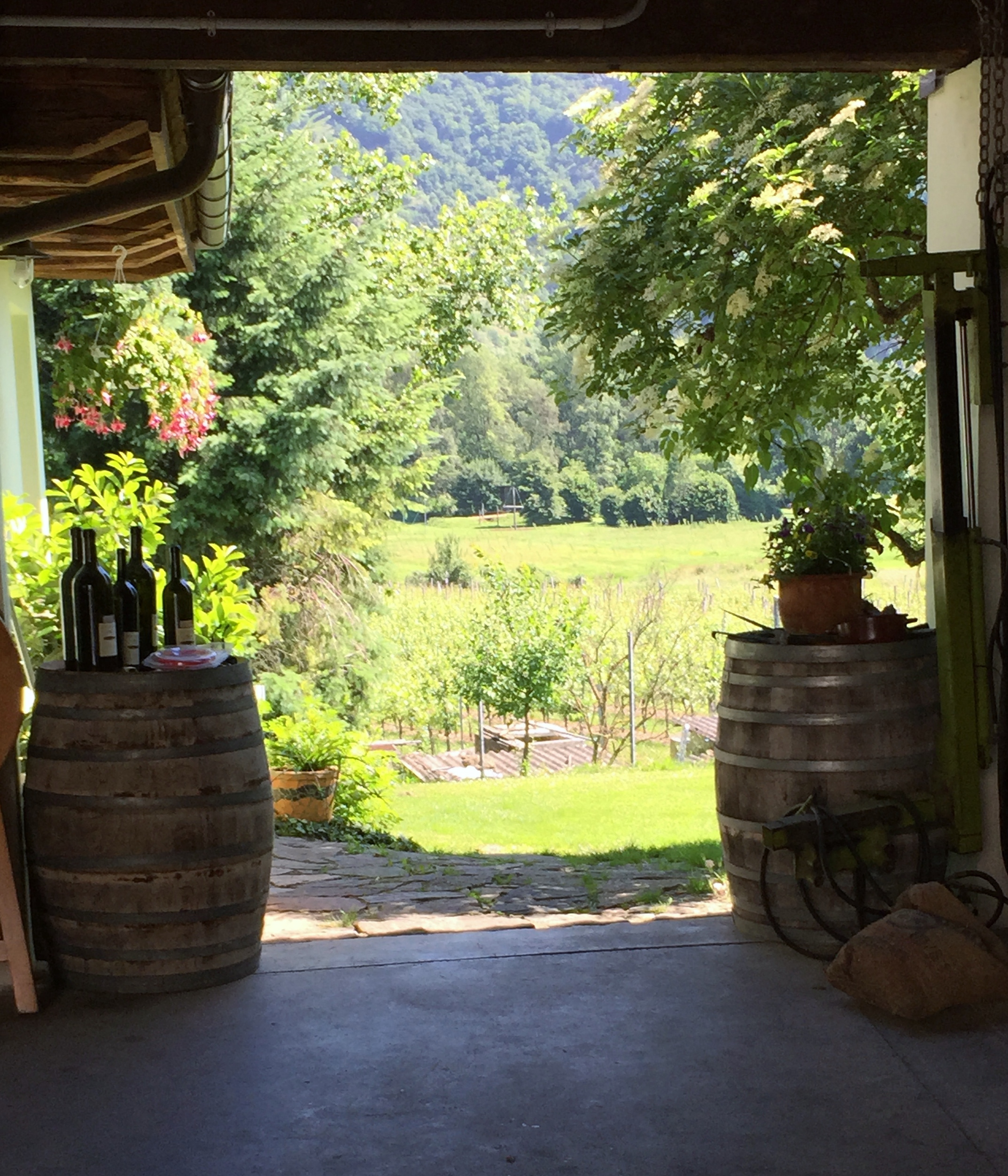
Hiking along the Wachau Valley Trails brings you to many of the famous places I have mentioned previously. There are many selections of trails to take and one can always find solitude and reflection somewhere in the Wachau. Surprisingly often you find yourself in one of many vineyards. The grapes from the Wachau are particularly desired for making Gruner Veltliner wine which is loved throughout Austria and Germany.

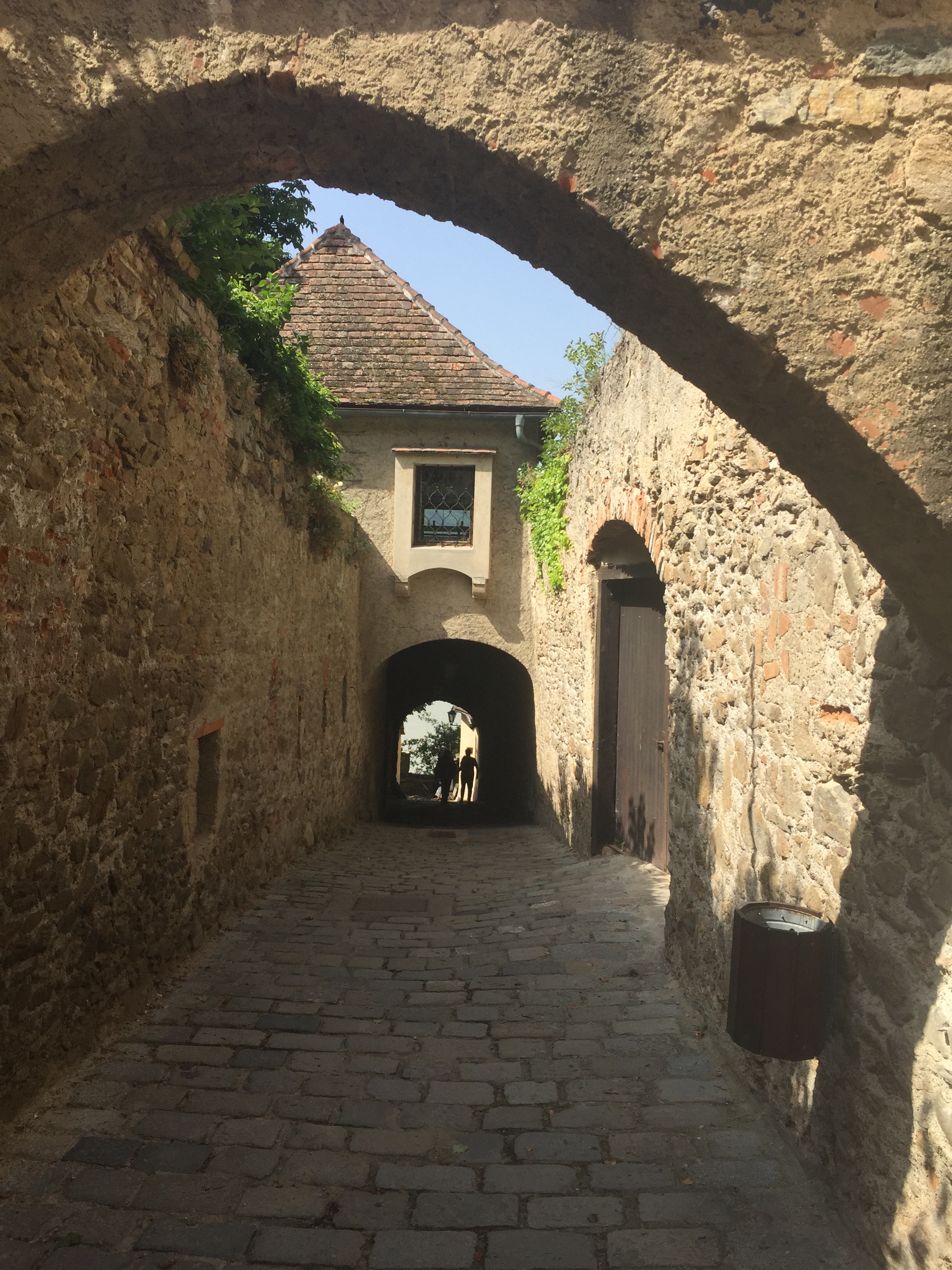
An original 14th century walkway to the Danube inside the Durnstein walls

Two of the towns in the Wachau Valley are Rossatz and Durnstein. Each are known for many things but my adventures were often focused on taking photographs, eating different foods, learning about history, and tasting wines.

Rossatz early in the Summer

Rossatz in particular is quite beautiful. Located across the river from Durnstein in the Valley, the town is often identified as the heart of the Apricot Mile. In the Summer when apricots are ripe, they are for sale everywhere. In addition to fresh apricots, apricot dumplings are particularly popular. There are all sorts of drinks and syrups made from apricots. But in Rossatz I enjoyed its quiet charm. Many just don’t know about it and the serenity found there in the vineyards, throughout the community, and along the beach. That’s right, there is a beach on the Danube very close to Rossatz. It also turns out that there are several along the Danube.

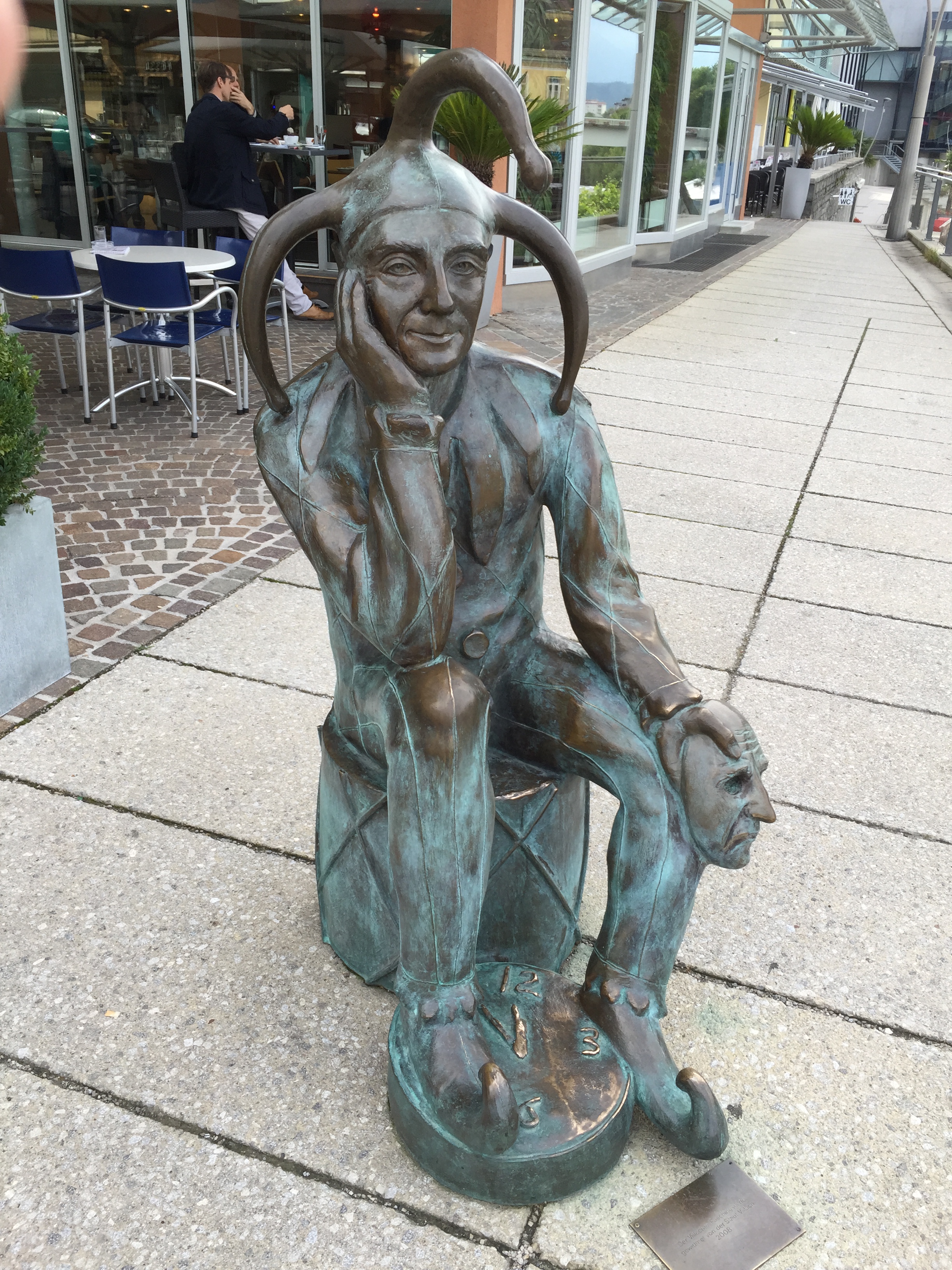
The Jester in Villach

My excursions have taken me to many fascinating places in Austria and I have captured some of those memories in this blog. I enjoyed my Summer holiday very much and look forward to returning sometime and reliving many of the memories that I have described and many more. So for now I will say “Auf Wiedersehen” from Austria as I plan my return to Mijas Pueblo, Espana, later this month.

Salzburg: 50 Years After “The Sound of Music”

IMG_1852 (1)
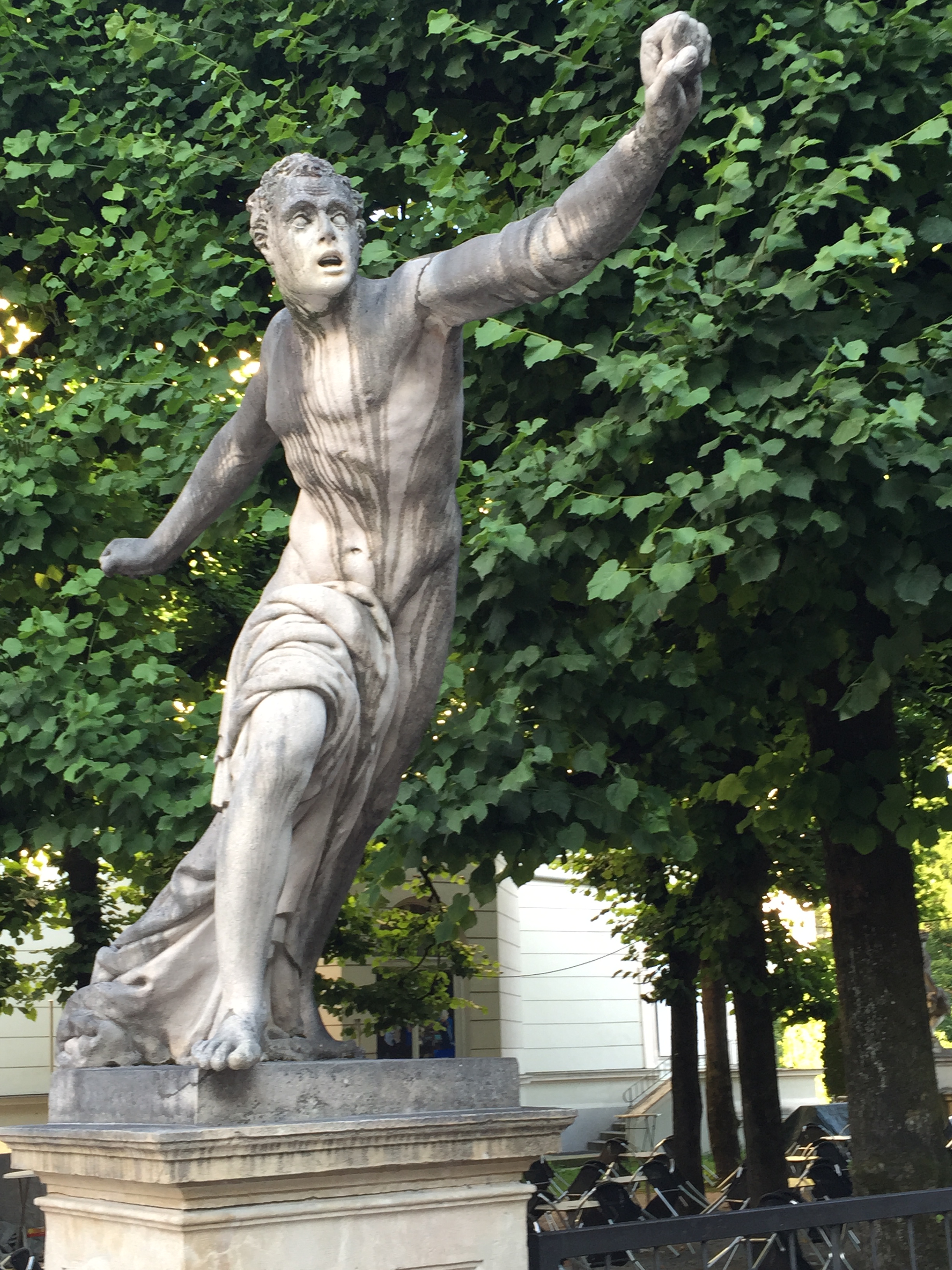
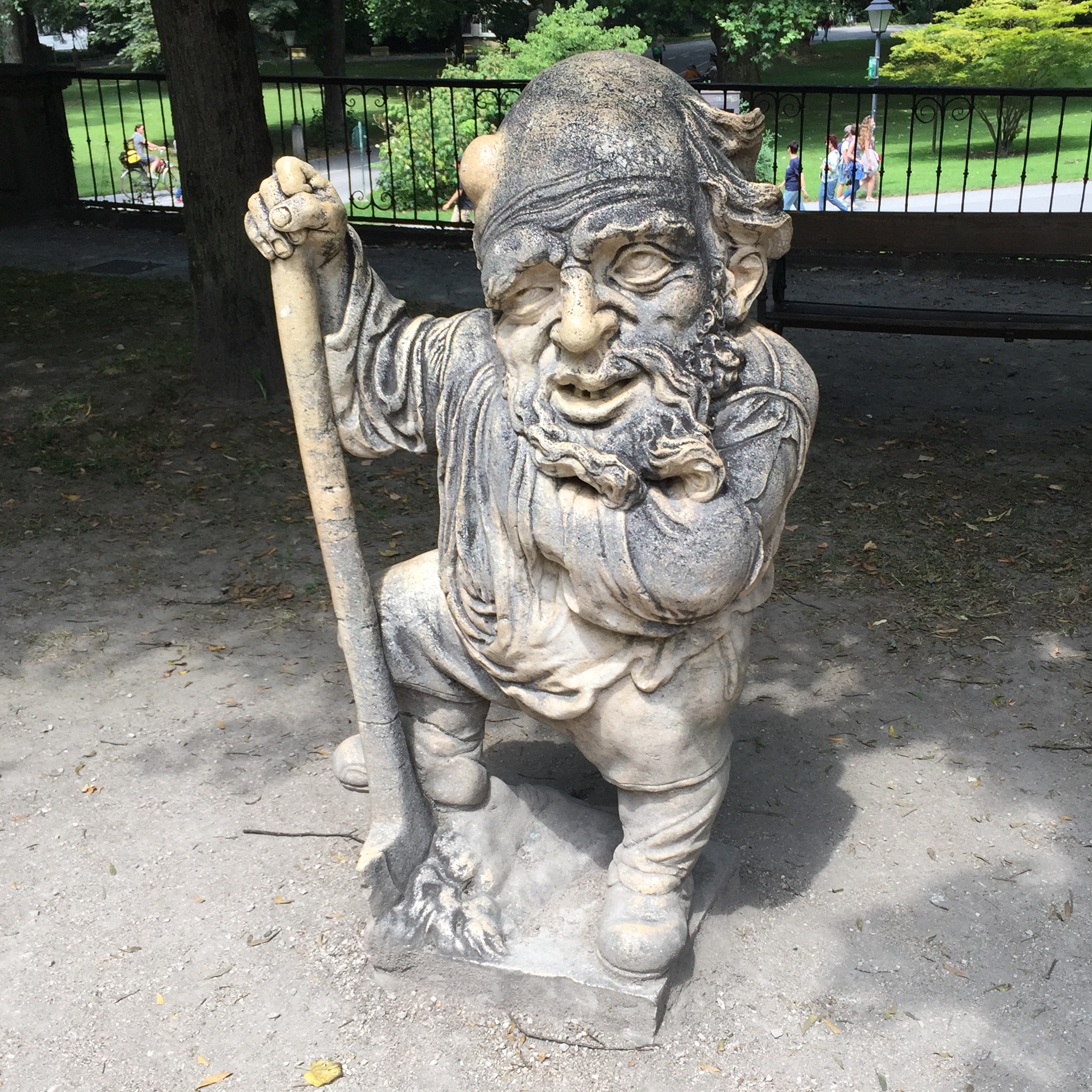
Mirabell Garden Statue (also in The Sound of Music)

Salzburg, Austria is forever etched into our memories as a place of natural and man-made artistic beauty and as a cultural center. The rich history of this city is evident at the turn of every street corner and throughout the nearby lakes and hills. The movie The Sound of Music embraces Salzburg in the late 1930’s. This year we celebrate the 50th anniversary of the film and I have been fortunate to have recently visited Salzburg. In this blog I not only share some thoughts about the movie but also many other things that are evident to me in this vibrant area.

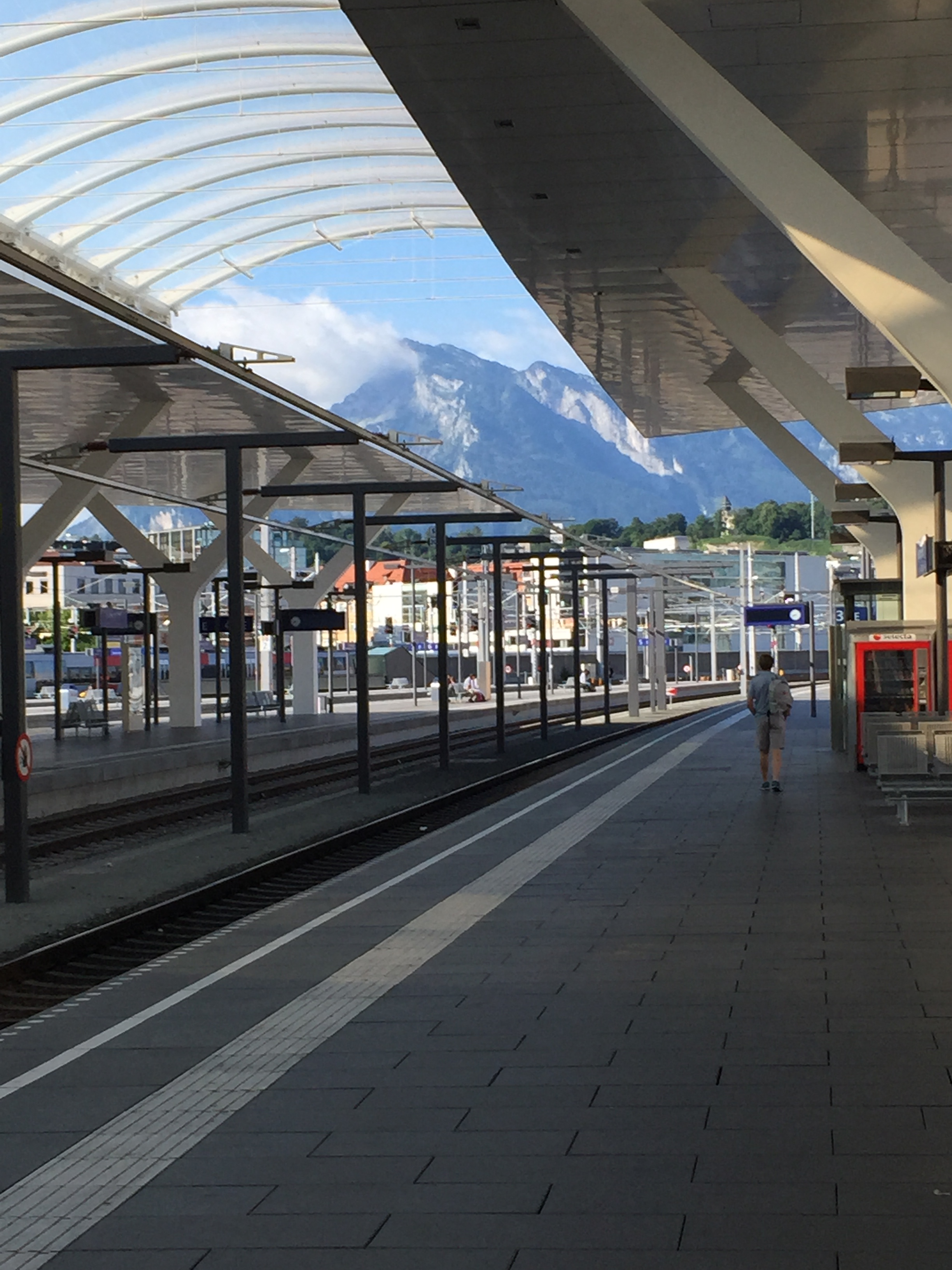
In comparison, much larger ViennaIMG_1853 (1) is majestic and bold but in seeking Austria’s soul, it would be found in Salzburg. On arriving by train, you can immediately look up and sense grandeur in the mountains. Yes, these are the “hills” that Maria sang about in the movie. The hills and the city are alive and in your mind you can hear her singing!

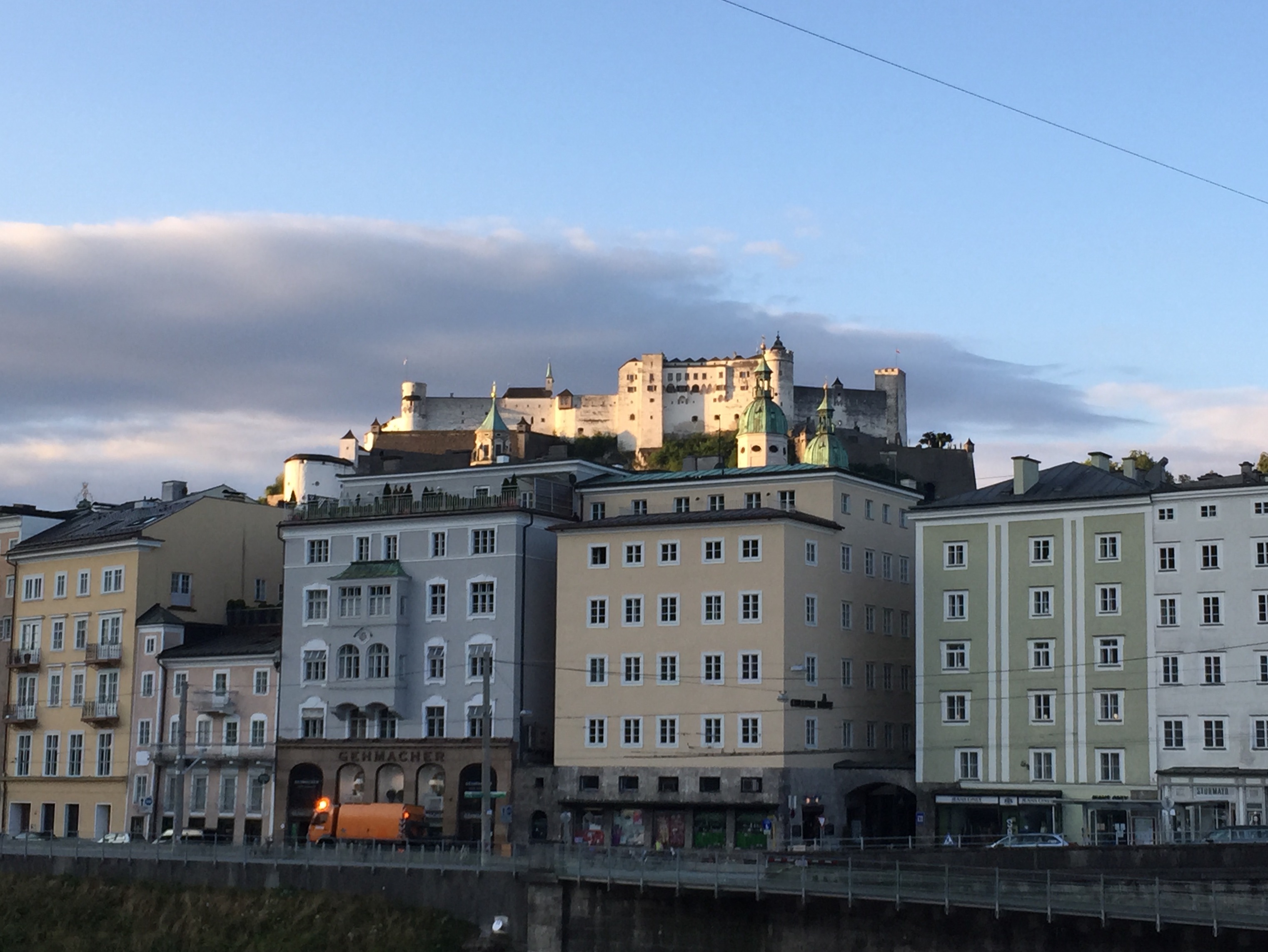
Fortress Hohensalzburg crowns the city

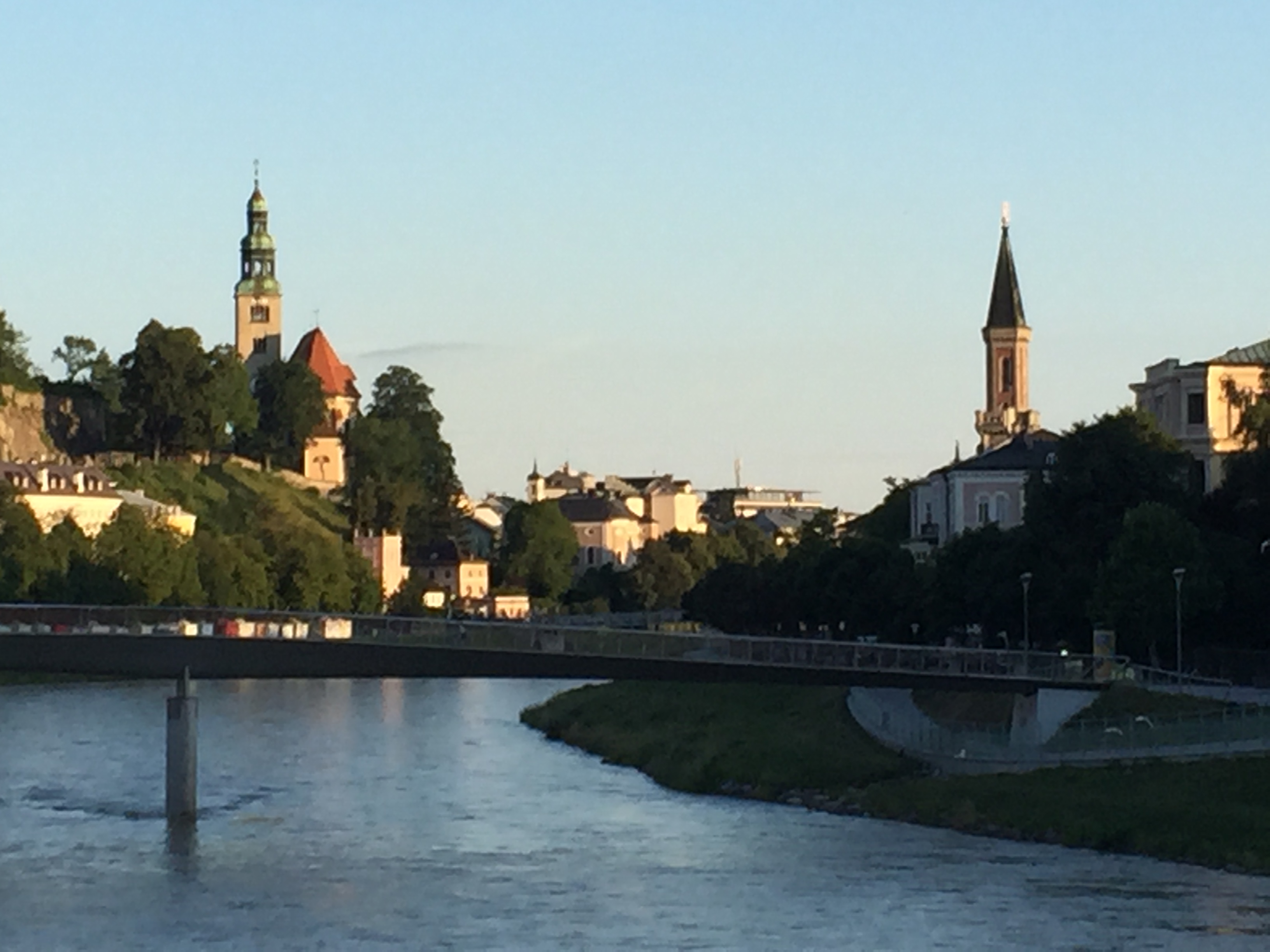
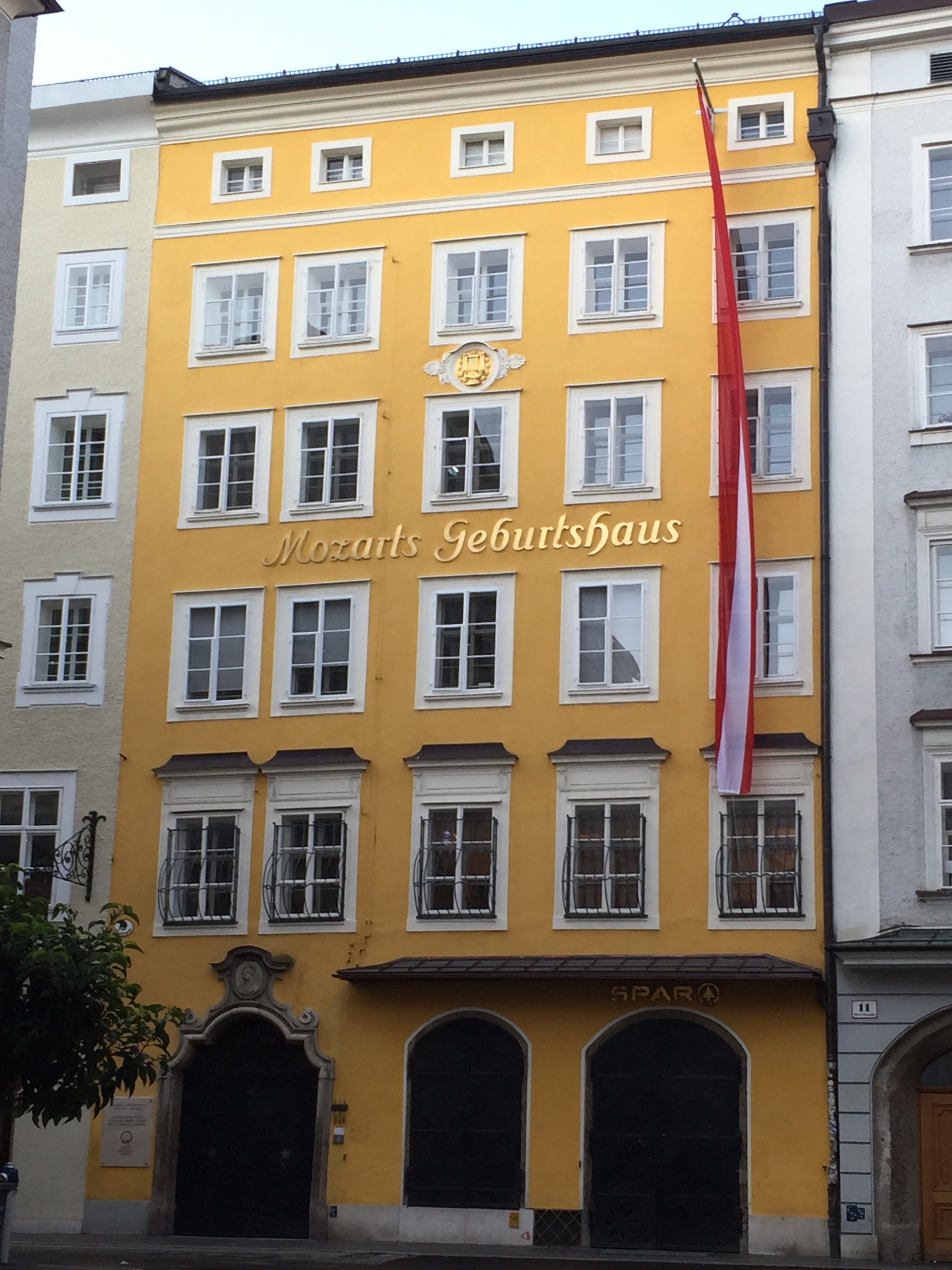
Journeying through the city, one can see boats on the Salzach River, lovers expressing their forever love by attaching their locks to the bridges, Mozart’s birthplace, the Fortress Hohensalzburg crowning “Old Town,” Mirabell Gardens with Pegasus dancing at its center, the Mozart Bridge the children ran across to play, and the small towns of Sankt Gilgen and Monsee on the shores of Lake Wolfgang… everywhere there are visions and sounds from the movie that surge into my memory!

My first visit was to Mirabell Gardens across the street from the hotel. With the Pegasus fountain centrally located, everyone was taking the “perfect” shot not only as reminiscent of the movie but also because it is a beautiful artwork. The garden’s colors just explode and several statues found there are in the movie.

FullSizeRender (42)

IMG_1651

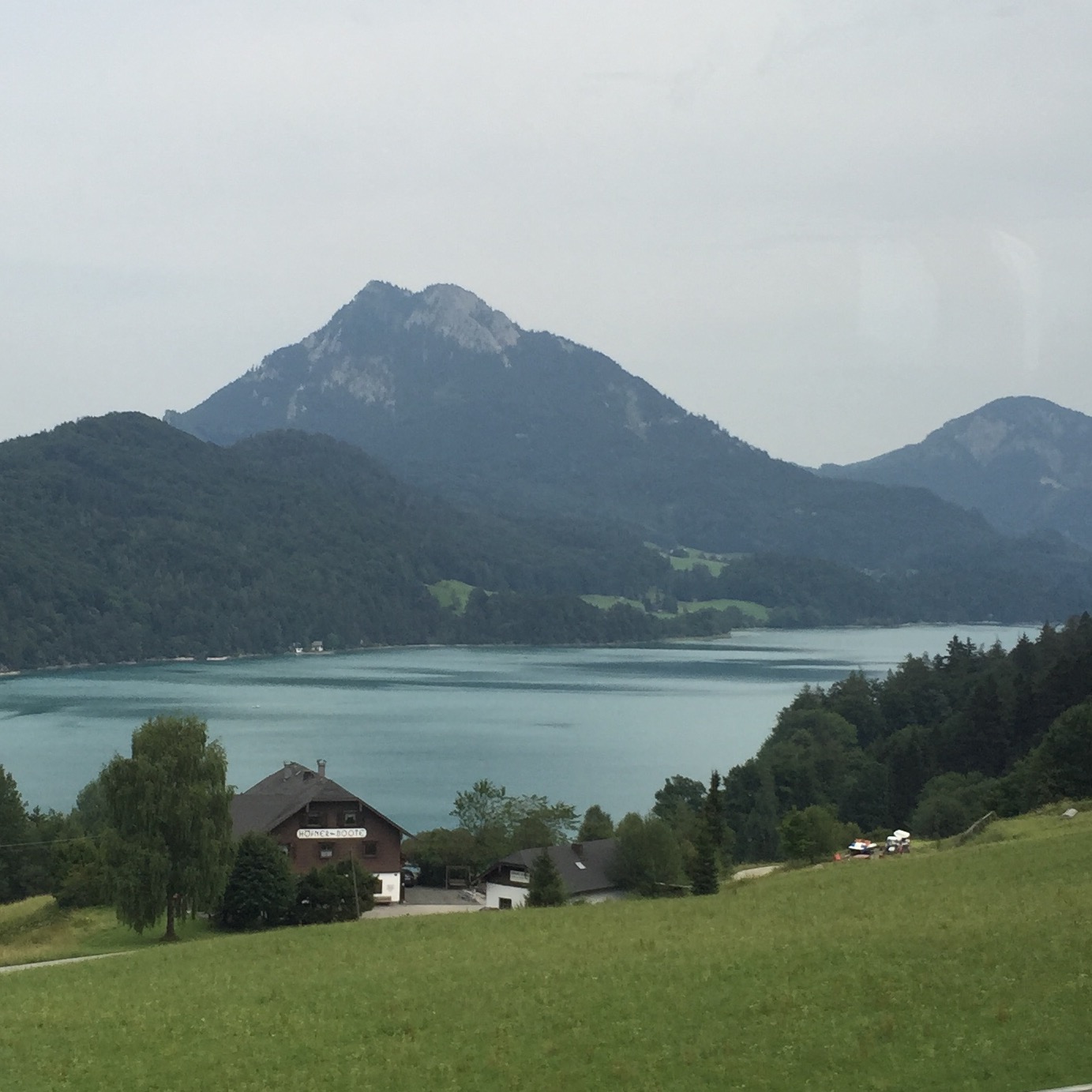
An entire blog could be dedicated to the Mirabell Gardens but I journeyed to the Lake District to see Sankt Gilgen, Sankt Wolfgang, Monsee, and Lakes Fuschl and Wolfgang. Each of these locations were included in The Sound of Music.

People were camping around, sailing on, and swimming in Lake Wolfgang and Lake Fuschl. The mountains around the lakes provide a perfect backdrop for a superb holiday in the region. And who can forget the sweeping images of these places at the beginning of the movie?

FullSizeRender (44)
Lake Fuschl as in the opening scene from The Sound of Music

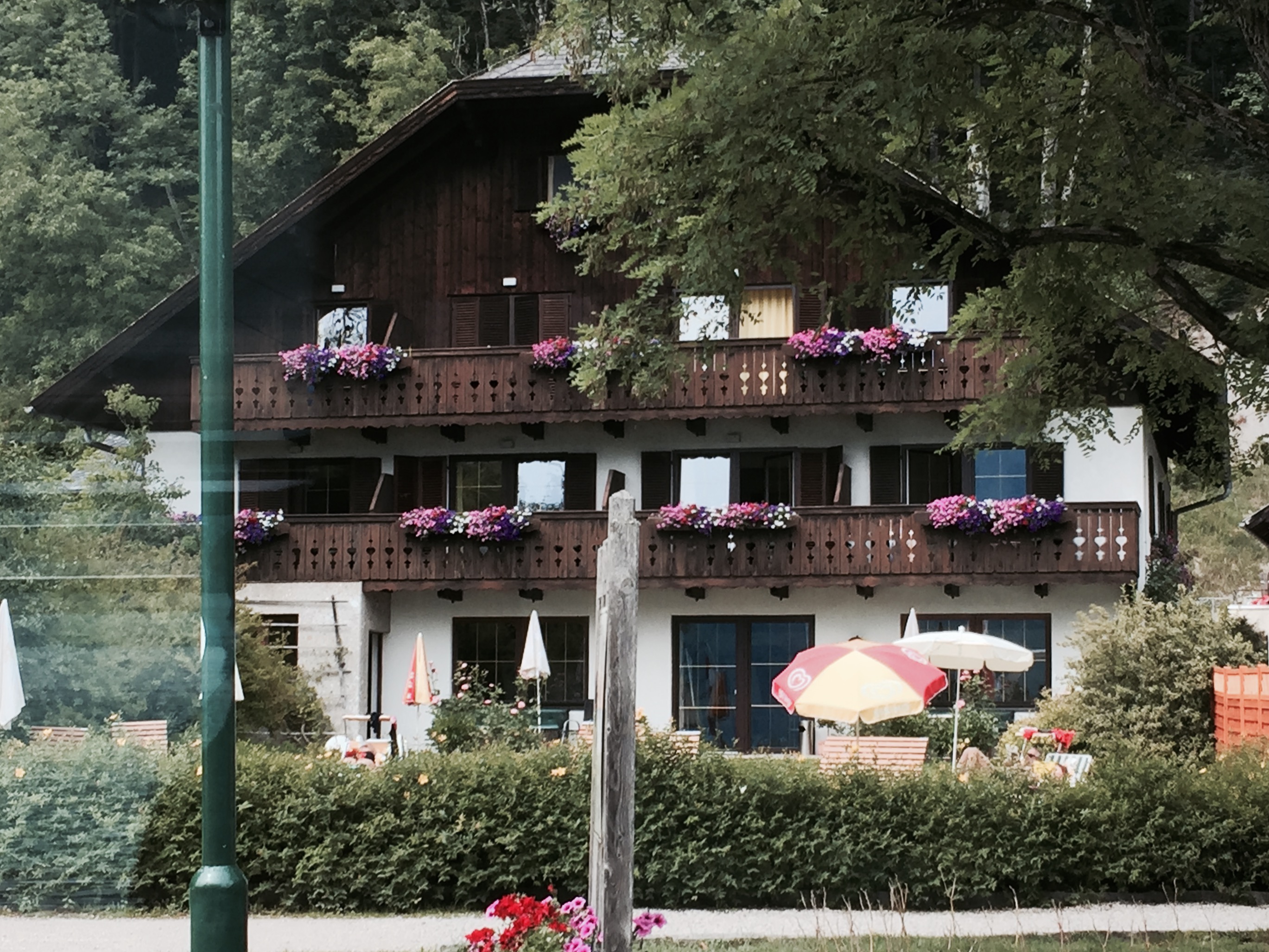
Quaint, traditional buildings in Monsee and Sankt Wolfgang are like time capsules with their large overhanging roofs and decorations of flower boxes attached to the upper levels. Each house has its own large supply of firewood to prepare for heating during the harsh Winters that come to this area. The mountains and the lakes are breathtaking and it is easy to see why these places were chosen for the movie.

FullSizeRender (48)
Traditional House at Sankt Wolfgang

Of course the city and area have so much to offer as they pose for the camera’s eye. I endeavor to keep my blog entries to a reasonable length and know that this one doesn’t adequately recount my memories of this vibrant city, the home to The Sound of Music and Mozart.

Looking Downriver at Sunrise

Salzburg is one place that I highly recommend be included in your travel bucket list. Salzburg is an extravaganza for your soul!

There are so many more places to see from The Sound of Music and I know that these few memories of the city will be just my initial ones as I will return several more times.

FullSizeRender (39)
Sankt Gilgen on Lake Wolfgang as in The Sound of Music
Mozart's Birthplace
Mozart’s Birthplace

I hope you enjoyed sharing in my adventure to Salzburg and that it encourages you to want to come and visit!

My Visit to Hitler’s Kehlsteinhaus “Eagle’s Nest”

Eagle's Nest from Outside
Kehlsteinhaus from the Outside

Last week I traveled to Salzburg, Austria because I had heard so much about its beauty, artistic value and historic significance. One of the historic places I am attracted to is Hitler’s “Kehlsteinhaus” (a.k.a “Eagle’s Nest” by English-speaking people) overlooking Berchtesgaden, Germany in the Bavarian Alps.

FullSizeRender (27)
View from Eva Braun’s Tea Room where she entertained diplomatic spouses

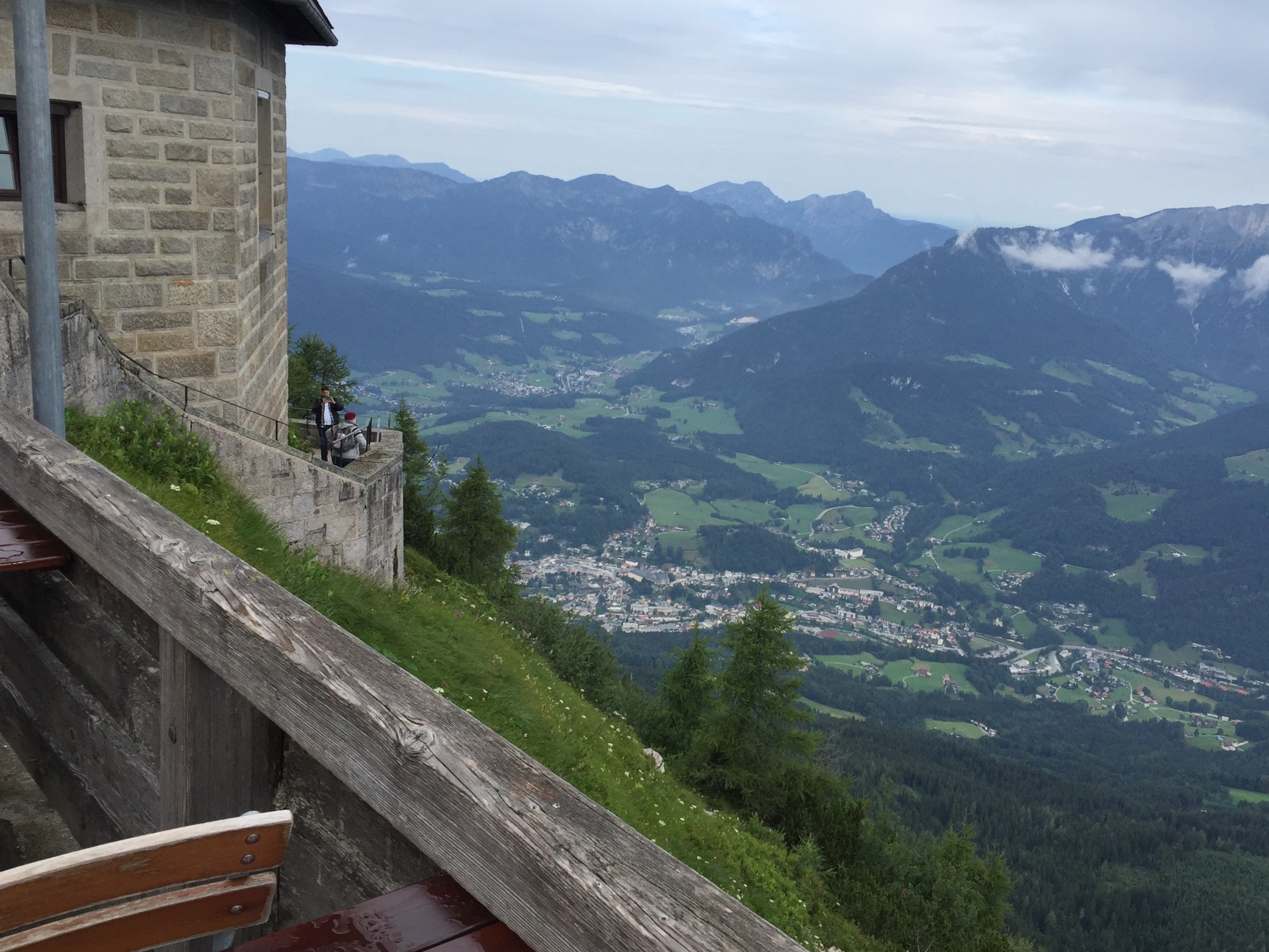
Kehlsteinhaus was intended to be a diplomatic reception place for dignitaries and general planning. In 1938 the NAZI Party paid for constructing Eagle’s Nest as a present for Adolph Hitler for his 50th birthday. It is a bit odd to give Hitler such a present because he was afraid of heights and at over 1800 meters above sea level, Eagles Nest is at a significant height with astonishing views. Supposedly, Hitler used Kehlsteinhaus less than 15 times and usually for very brief periods less than an hour. Other than for the guards, there are no sleeping accommodations. There was then a full service kitchen as there is today. Now, Eagle’s Nest is primarily a tourist attraction with spectacular views, a magnet for history buffs, and a restaurant that is open except in Winter.

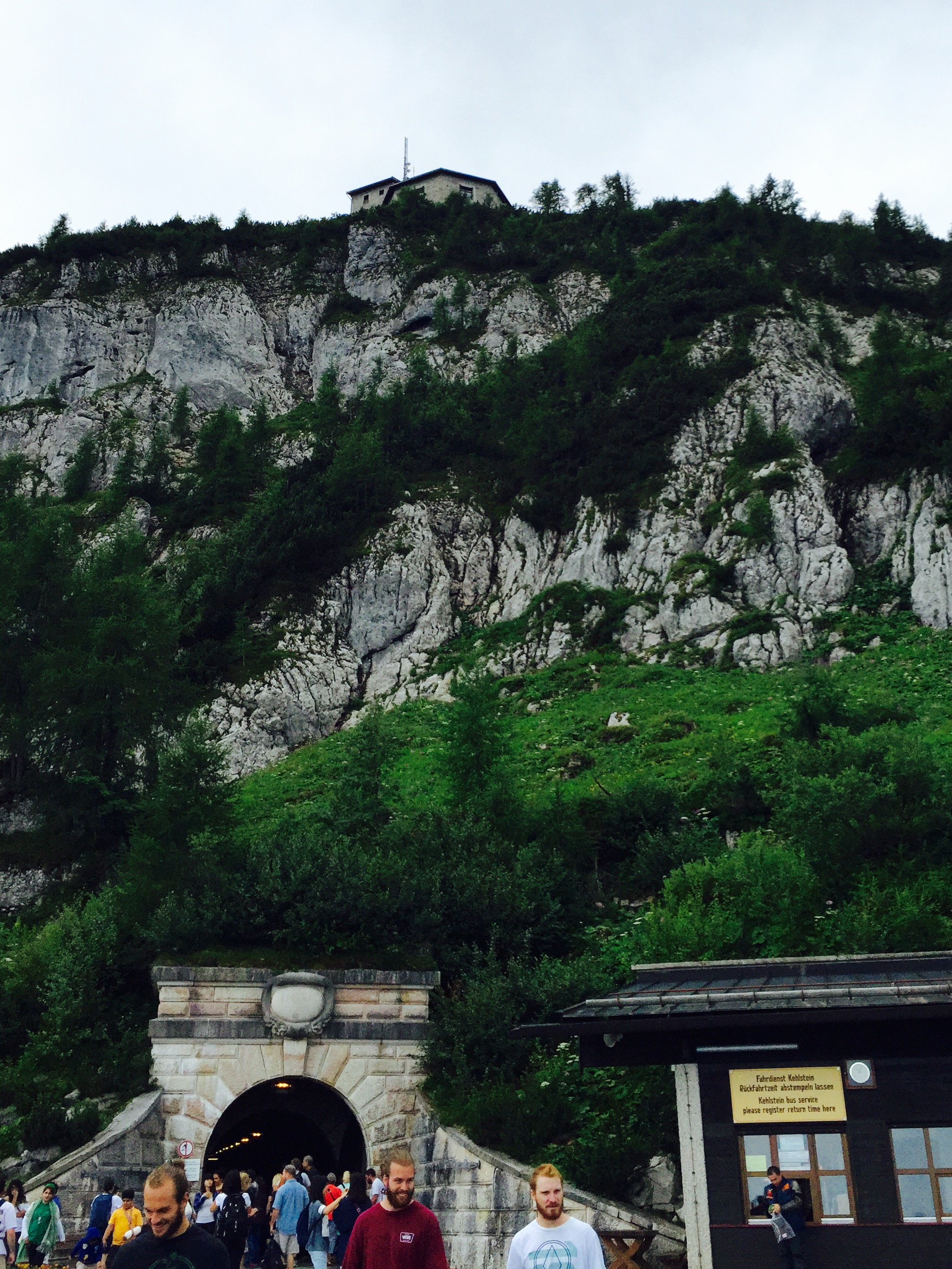
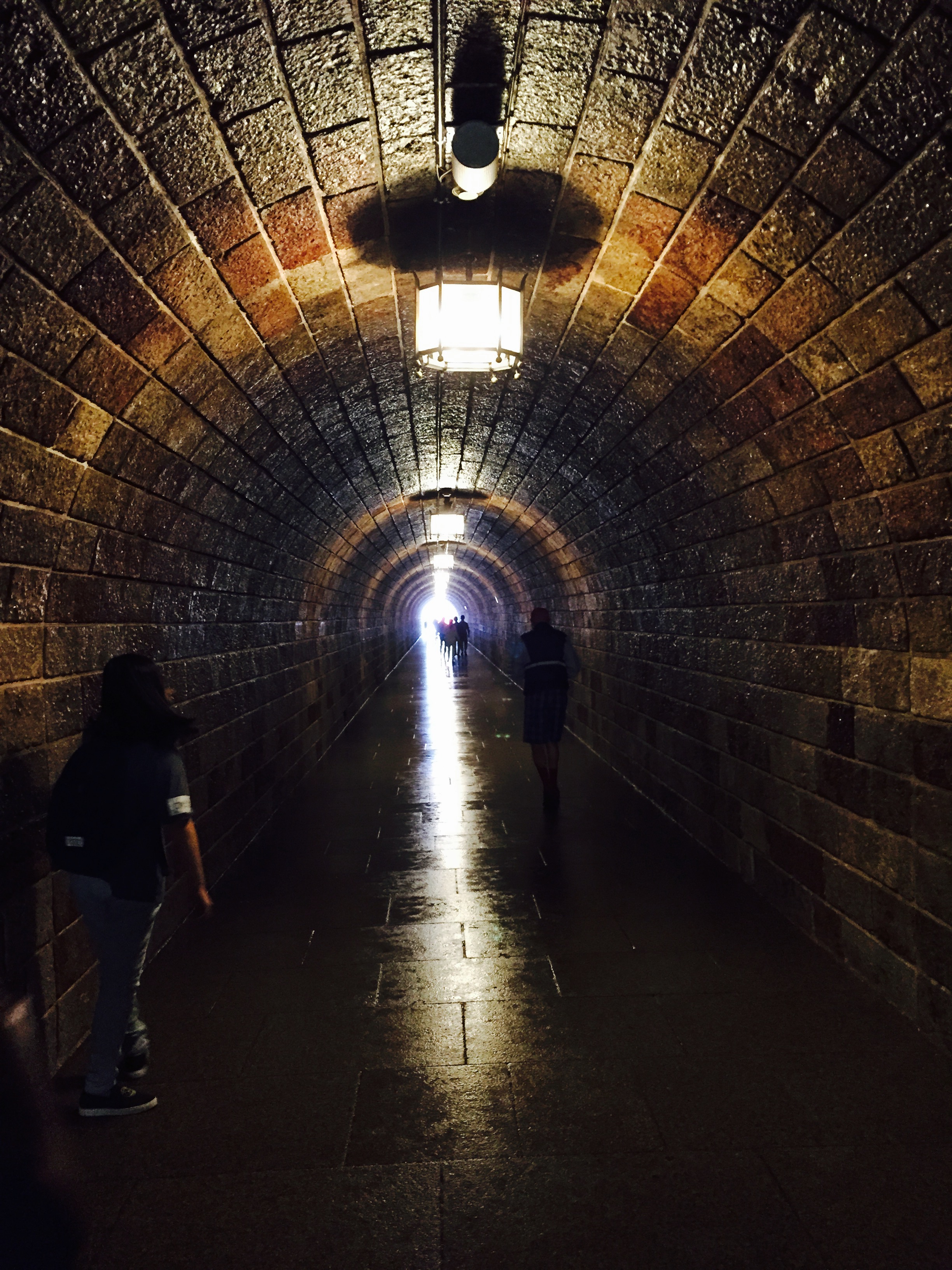
Tunnel access to the elevator to go up into Eagle's Nest
Tunnel access to the elevator to go up into Eagle’s Nest from the upper parking lot

Access to Eagles Nest from the lower parking lot is by bus to the upper lot and then through a tunnel to get to the elevator for the final 124 meters. Constructing the building and creating access to get to it was a substantial achievement. And the stone work done by Italian masons for the building and tunnel is exceptional. The single lane road to the upper lot is up to 26 degrees which is really steep (I seem to recall that the original section of the Pennsylvania Turnpike is no more than 4 degrees). Each bus goes up or down in a group because the road is only 4 meters wide and the drop off is sheer. Given Hitler’s concern with heights, this narrow road with five tunnels and a switch back must have been problematic for him.

Looking to the outside through the elevator tunnel

I found it interesting to have an elevator to get into the building. The access tunnel from the upper lot is wide enough for a car and when Hitler came, the driver took the car directly into the tunnel to the elevator, backed out after Hitler got out, and then backed in to be ready when Hitler was to depart. Hitler also was apparently claustrophobic so the walls in the elevator are polished brass that makes a mirror effect that the elevator inside is much larger than it really is. The elevator moves quickly and traverses the final 124 meters in 46 seconds.

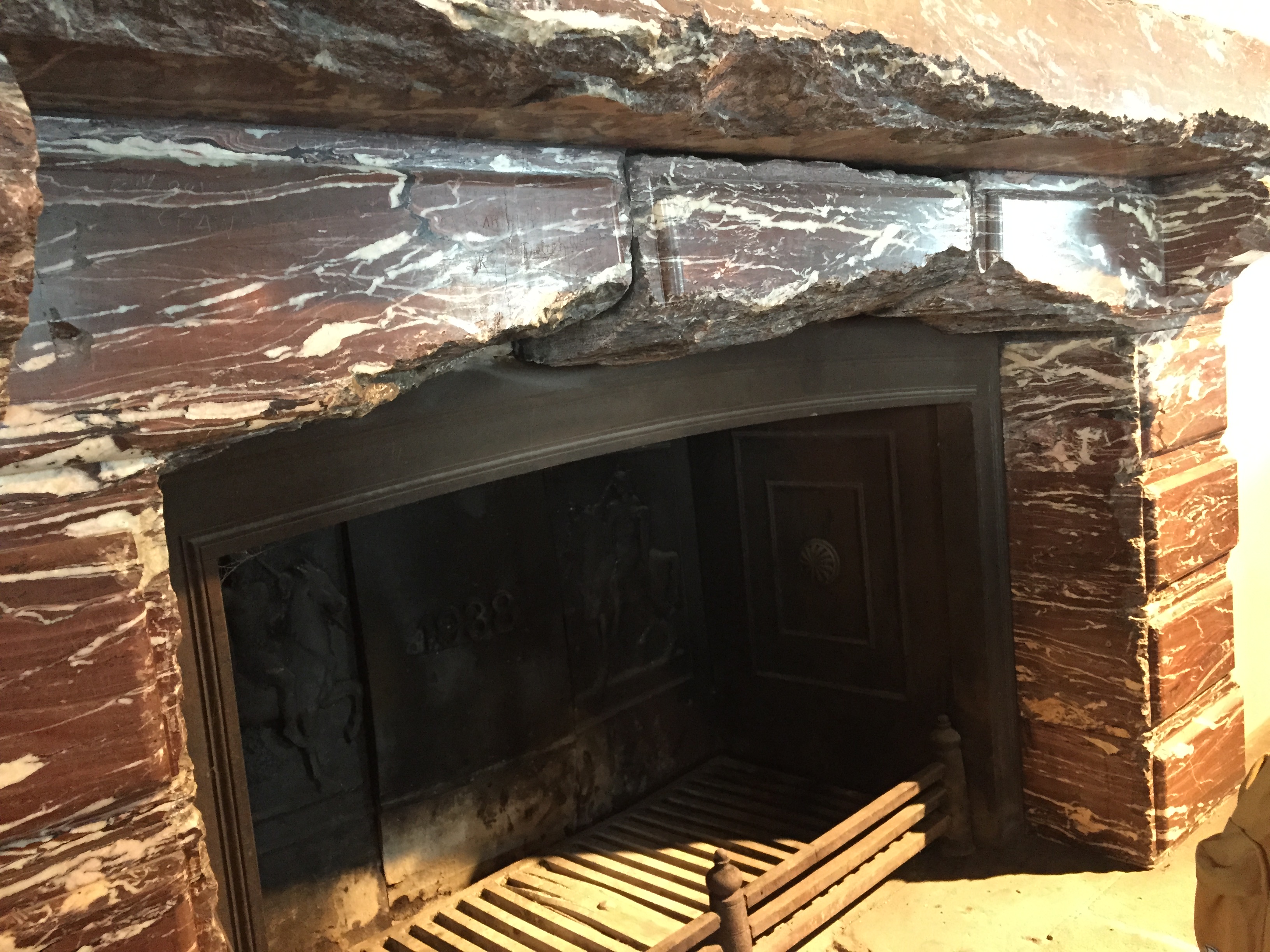
The fireplace given by Mussolini is at the head of the conference room, today a restaurant

In today’s restaurant you can see the fine Italian marble fireplace which was given by Italian dictator (and Hitler’s ally), Benito Mussolini. The restaurant formerly was the main conference room. The large fireplace has been severely damaged by American soldiers smashing off pieces as war souvenirs and etching names and graffiti into the stone. The damage is evident in the photo.

Damaged Marble Fireplace

Which military unit was first to reach Eagle’s Nest? Contrary to the movie “Band of Brothers” in which the U.S. 101st Airborne “Screaming Eagles” were first to arrive, it is not precisely known but it is believed that on 4 May 1945 that the U.S. 7th Army, the U.S. 101st Airborne, and the French 2nd Armored all seem to have been there.

A view from Outside
A view from Outside

Recently I found out that PFC Benedict Vinzani, Senior’s (from my hometown and parent of two of my Facebook friends) final duty station during World War II was in Salzburg. He was a member of 33rd Armored which is recorded to have been part of the 101st. It is unknown if he went to Eagle’s Nest but he served in the area as a member of the “Greatest Generation.” I think it is important that we remember those who contributed to Hitler losing the war and how different the world would be had that generation not risen to the need and challenges. I am forever grateful for them.

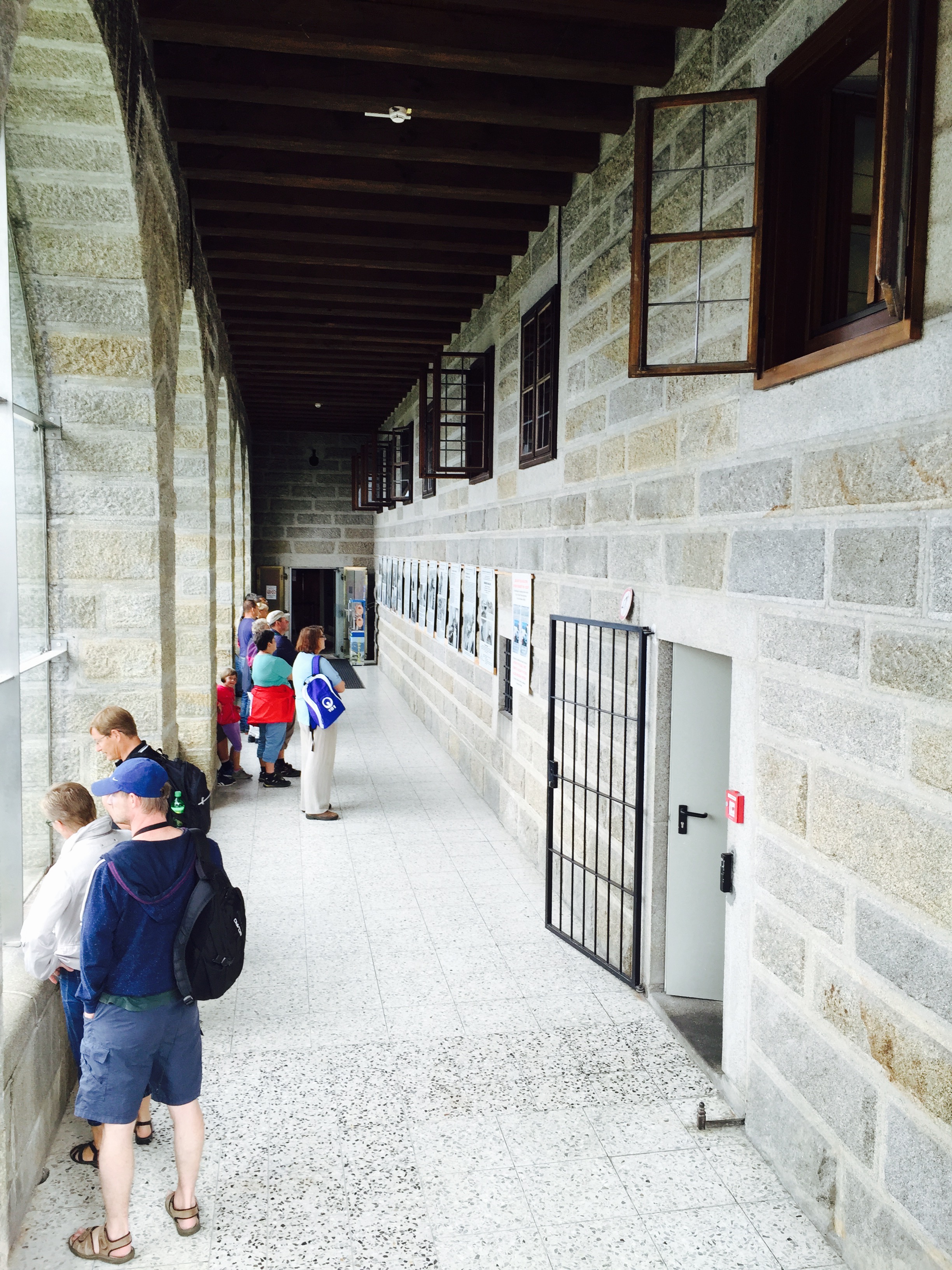
Inside view on a walkway

Today, Kehlsteinhaus it is operated by the Bavarian German State and revenue generated in excess of operating expenses is given to charity.  Last year more than 300,000 people visited Eagle’s Nest. Hitler was an awful, evil, cruel man. I am pleased that charity is benefiting from a remnant of that time. Eagle’s Nest could have been obliterated in the final days of the war but it was spared and I hope that it remains as a reminder of lessons from a very tragic time in history

My Melk Holiday

Melk Abbey towers
Melk Abbey towers

I extended my stay in the Austrian Wachau Valley where I am now exploring in and around the town of Melk an der Donau. Melk is at the beginning of the gorgeous Wachau Valley with the Danube River running through it. The Wachau extends about 35 kilometers down river to Krems. Melk is a small community of about 5000 and is dominated by the picturesque 11th century Benedictine Monastery, Melk Abbey (German: Stift Melk).

The Abbey is the principle tourist destination for the numerous Danube River cruise tours that tie-up here enroute from Amsterdam and elsewhere to Vienna, Budapest, and beyond. My apartment is in the older part of the town with the massive Abbey immediately behind me.

Overlooking the Danube, the Melk Abbey has a long history. It was founded in 1089. You can read more about the Abbey and the history of Melk here. For now, though, I am going to share with you some of my pictures and my observations.

Abbey 1
Melk Abbey sitting above the Danube River

The town has a rich history and the town government provides numerous placards (in German and English) throughout Melk that provide the tourist with a great deal of information about the early inhabitants, their relationship to the Catholic church, the influence of the reformation, the first ruling dynasty in Austria, the impact of World War II, the buildings, the town growth, and the flooding of the Danube in recent times as well as the recording of the massive flooding in 1501.

Bakers
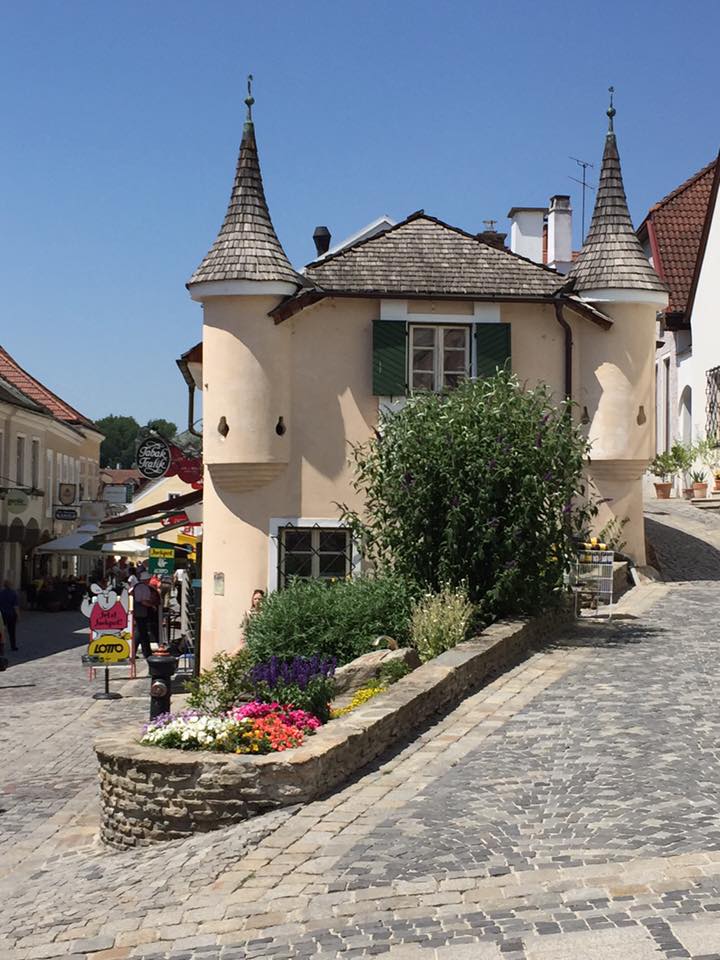
From the 13th century when bakers sold their wares from this little building

Melk is a chameleon. It takes on a typical tourist hot spot in the daytime as tourists flock to the Abbey. There are many places to have a coffee as well as a good wine and schnitzel. In the evenings, however, the tour groups from the river boats are mostly gone and those in town are residents and numerous bicycle riders who have stopped for the night.

Weekly there are band concerts with participants in traditional Austrian dress playing music on the Rathausplatz. This is when the community just sits back and relaxes with a large beer-in-hand and listens to the music and occasionally sings along.

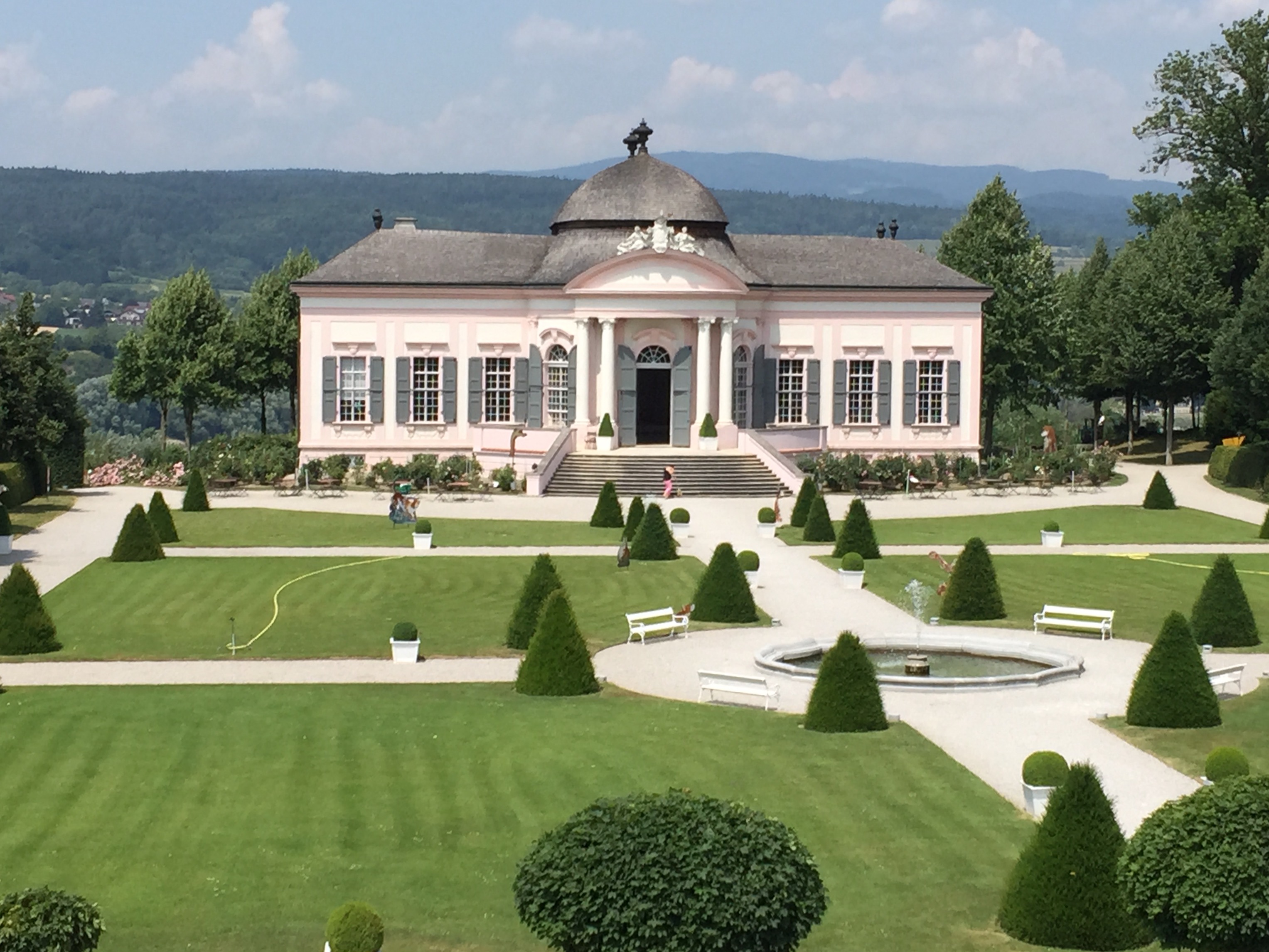
Abbey tourists enjoy the massive old library, paintings of royalty and old world leaders, statues, and the beautiful artwork of the church interior. The Abbey is beautiful both on the interior as well as the exterior. With a bit of luck you can hear musical rehearsals which in themselves are spectacular. But for me, the exterior gardens are quite special and a place that is often overlooked by the tourists who are visiting with very limited time to absorb the grandeur of the Abbey, the town and the area.

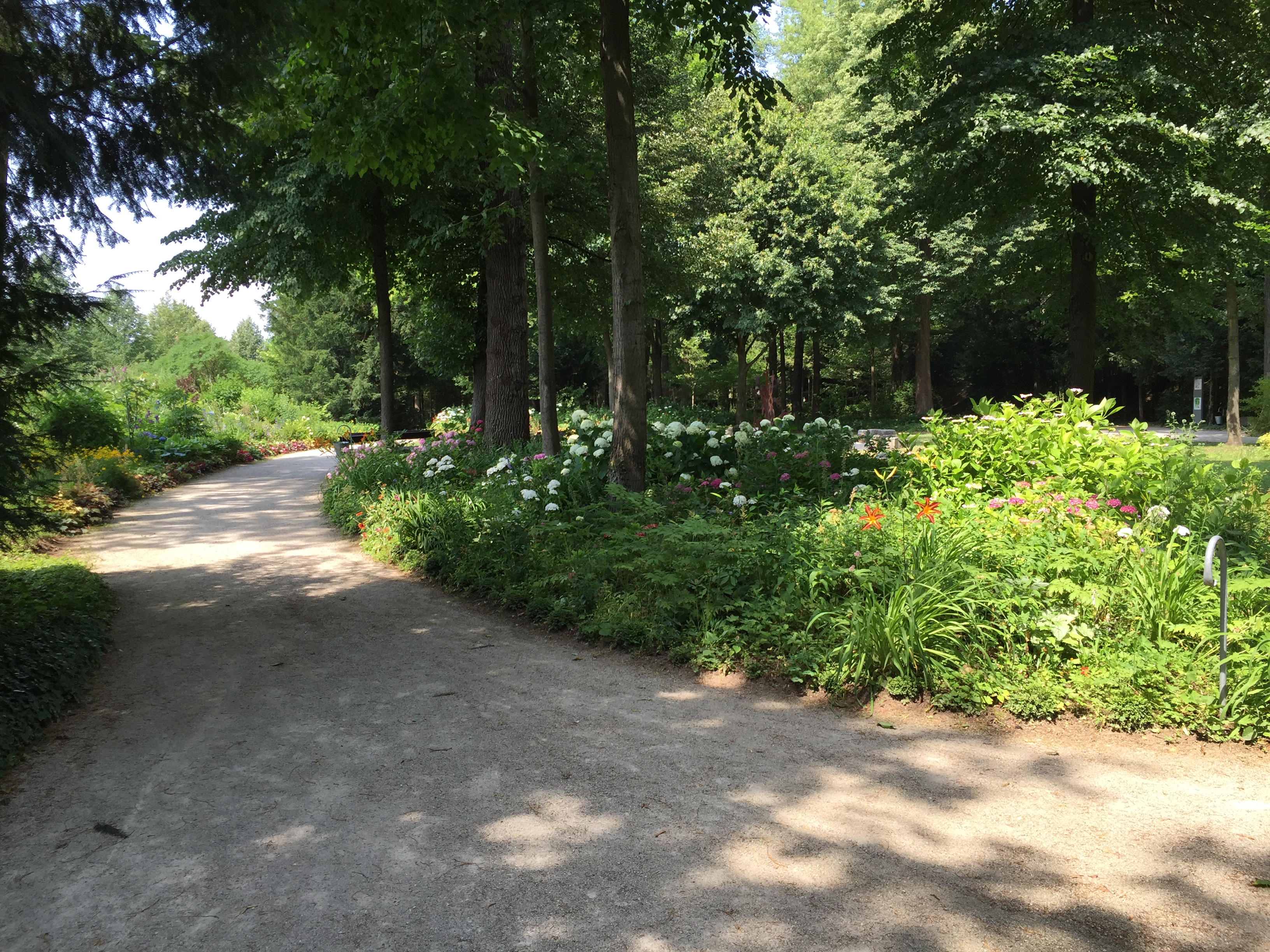
I have found the groomed walkways in the Abbey gardens to be nice but the peace and solitude FullSizeRender (22)found in the garden woods is very special. The smell of evergreens add to this place high over the Danube River flowing by. It is an ideal spot for me to contemplate, listen to nothing except for a few birds and the breeze in the trees. It is a great place to relax in the shade… my next destination.

IMG_1429

My Kremser Experience

IMG_0181
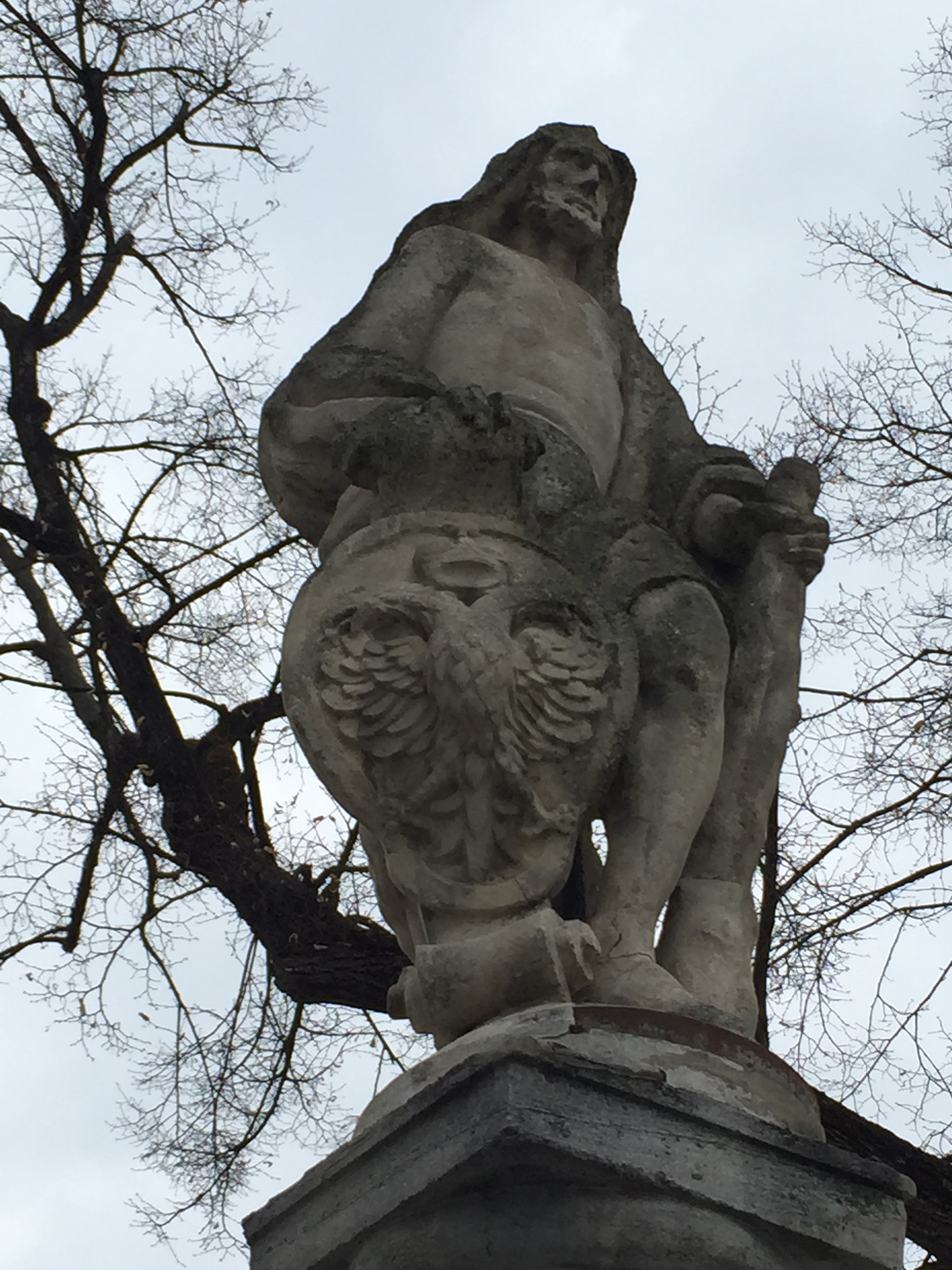
Statue (1682) to returning crusaders

Stunning medieval architecture and extraordinarily beautiful countryside is found throughout Lower Austria. Captured in photos of Aggstein, Durnstein, Rosaatz, and Melk I have shared on Facebook many of the old structures, castle ruins, monuments, stone-terraced vineyards, and the picturesque Danube River that make the World Heritage Site of the Wachau Valley unique and special.

While many find the charm of Austria to revolve about Vienna, I have opted for a more rural area in which to holiday for the past three months. My residence has centered on Krems an der Donau, maybe the oldest of communities in all of Austria. Here people are referred to as “Kremsers.”

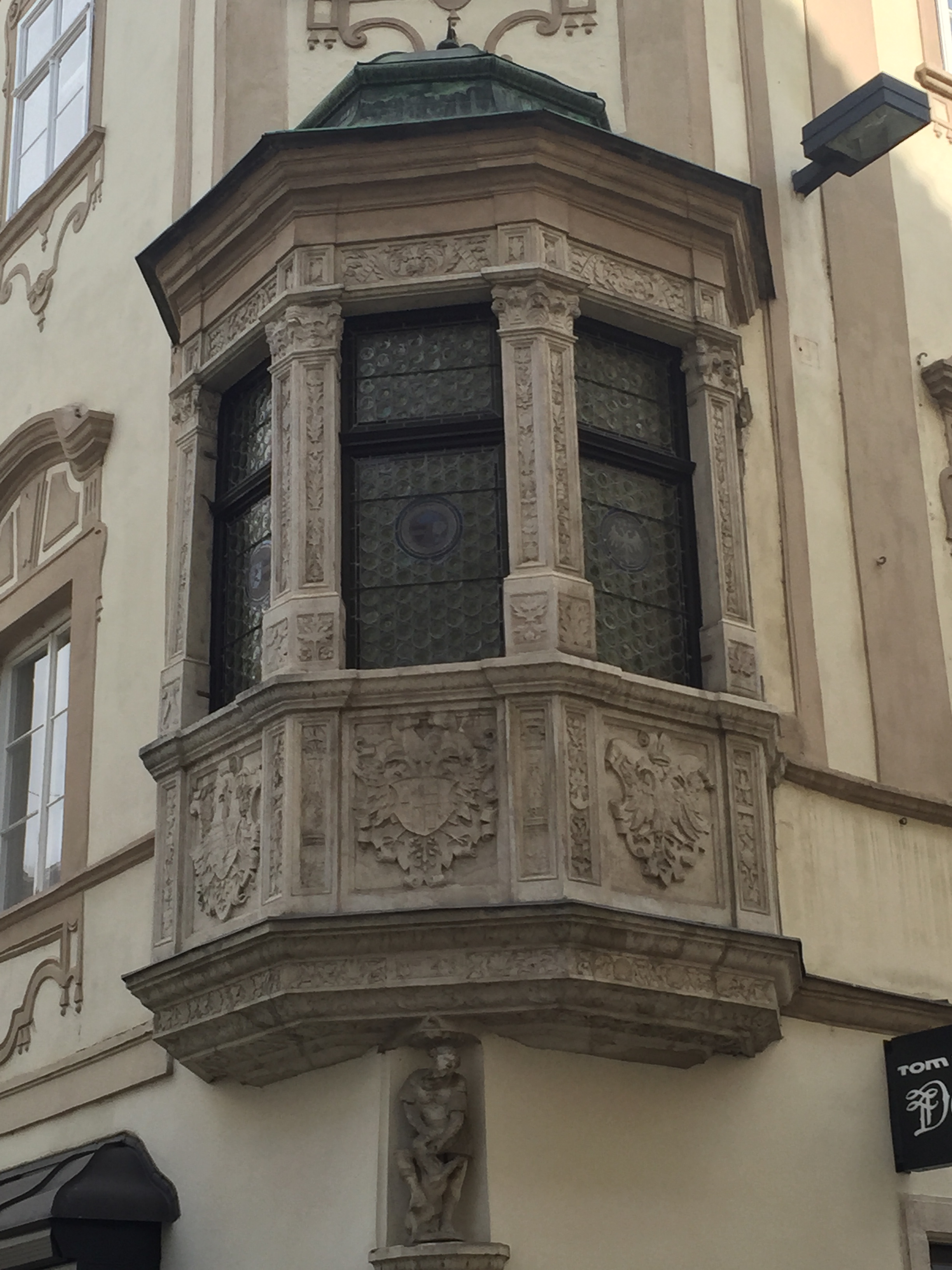
Part of the Rathaus 1452

Located down river at the end of the Wachau Valley, the town of 25,000 inhabitants even today remembers and celebrates ancestors from the Middle Ages and their influence in creating Krems. The town is very long on memory, pride, and tradition including personal dress, food, wine, religion, and music.

In this blog I am primarily sharing photographs. While I can tell stories, the photos speak! They shout of the history and pride that Kremsers feel for their community, their ancestors, their architecture, their food and drink, their traditions…their way of life.

As I enjoy a slice of cinnamon-sweet apple strudel at my favorite outdoor cafe, I pause to listen to the chimes of the Steiner Tor. I hear the commuter trains in the background. I see lovers holding hands and smell roasted coffee which beckons me to sip a caramel latte. I hope you enjoy my reminiscences about Krems and can envision the beauty that makes Krems a wonderful place to feel the past while in the present.

Old Testament scenes etched in 1561

I have deeply absorbed Krems’ preservation. It is there for the taking by Kremsers, me, and future generations. The soul of this community is in, and its voices come from, its landmarks, traditions, and people. So gathered here is my collection of photographs that I have found particularly interesting to these ends as I explain in captions.

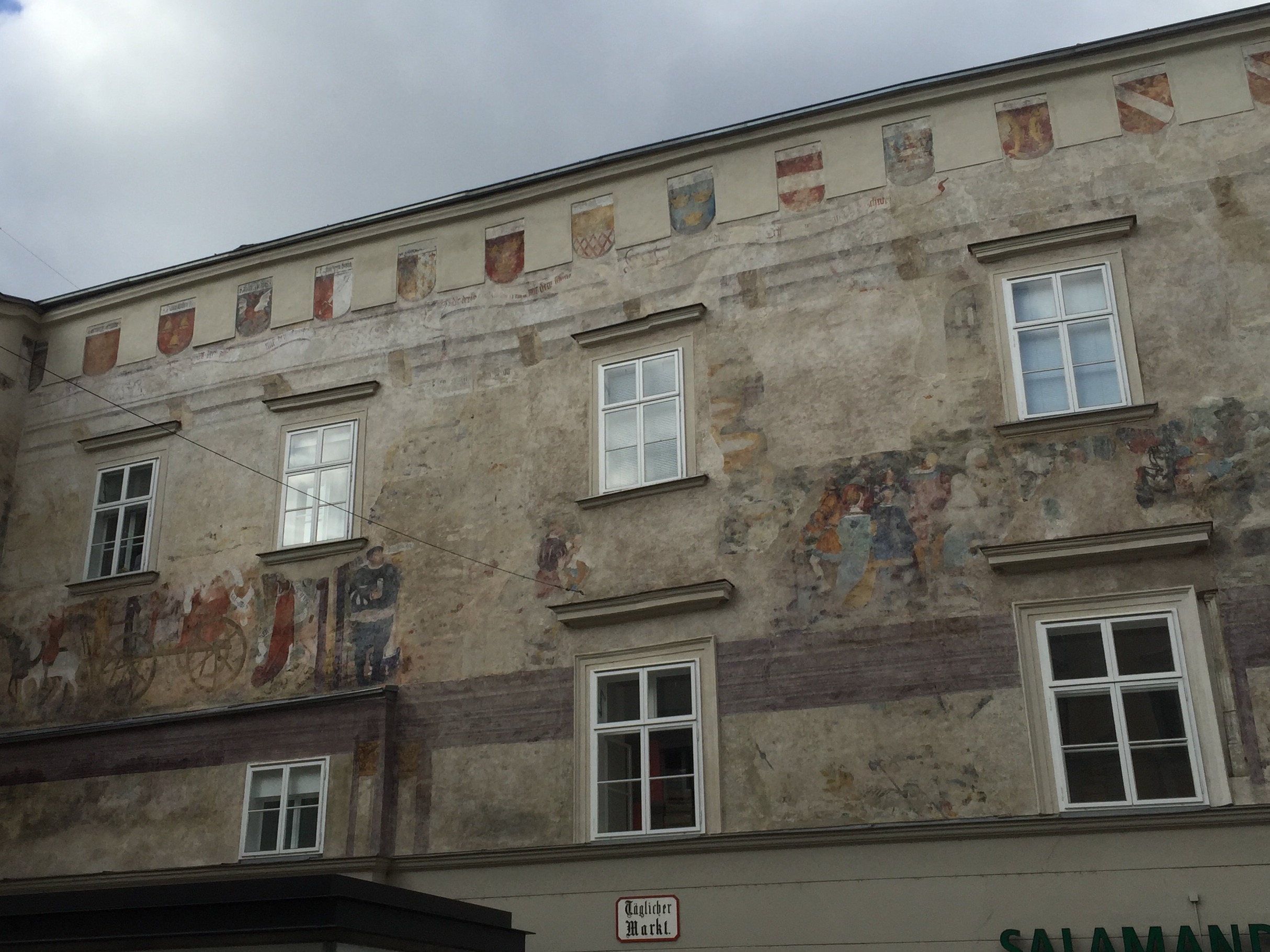
Medieval mural in Krems center
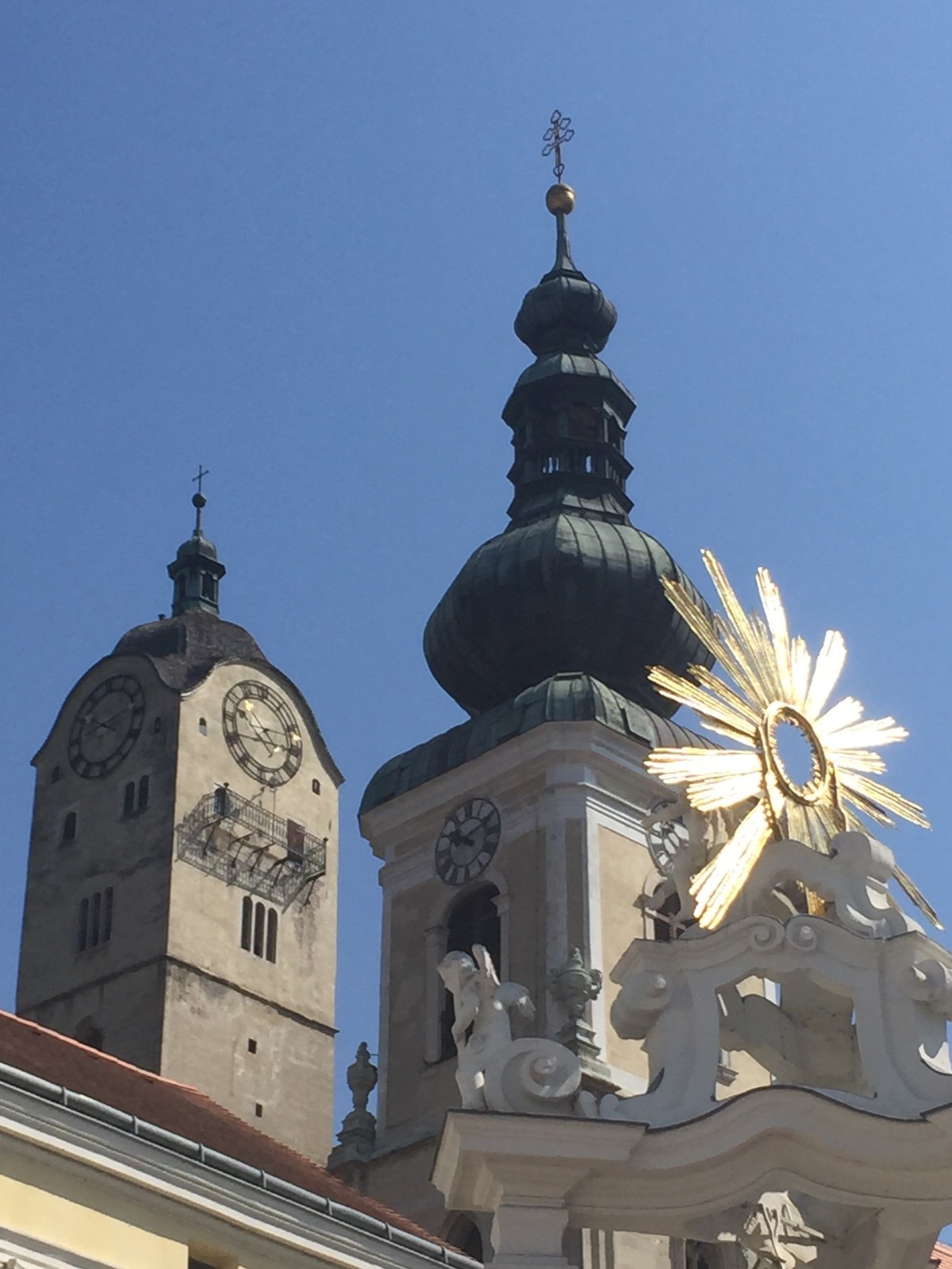
Bell tower in Krems Stein
A typical Krems street
A favorite stop for coffee and strudel
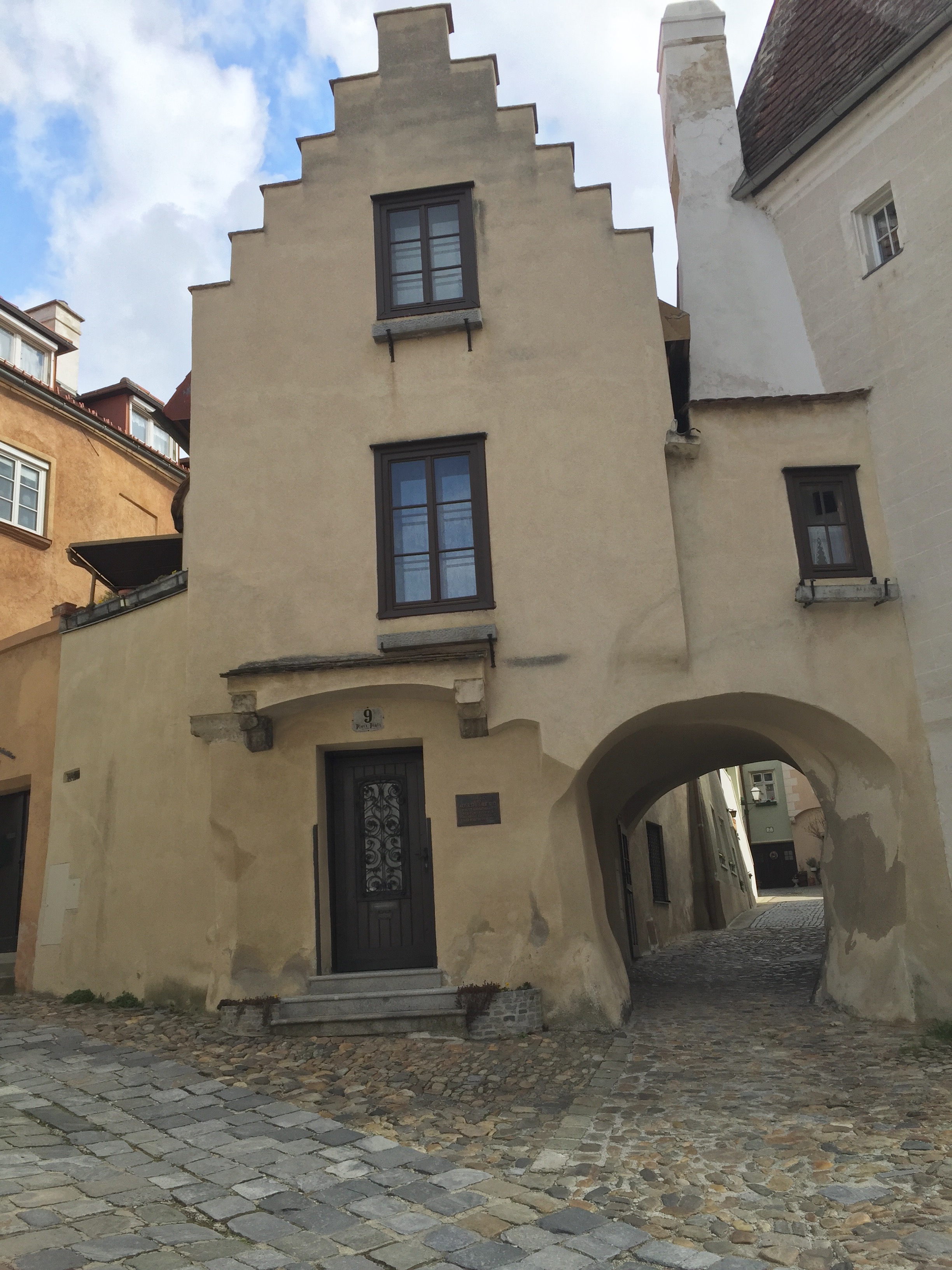
House built in 1210
House built in 1210
The status Simandl is about the hen-pecked husband begging for the house keys so he can stay out late with the boys
The statue “Simandl” is about the hen-pecked husband begging for the house keys so he can stay out late with the boys
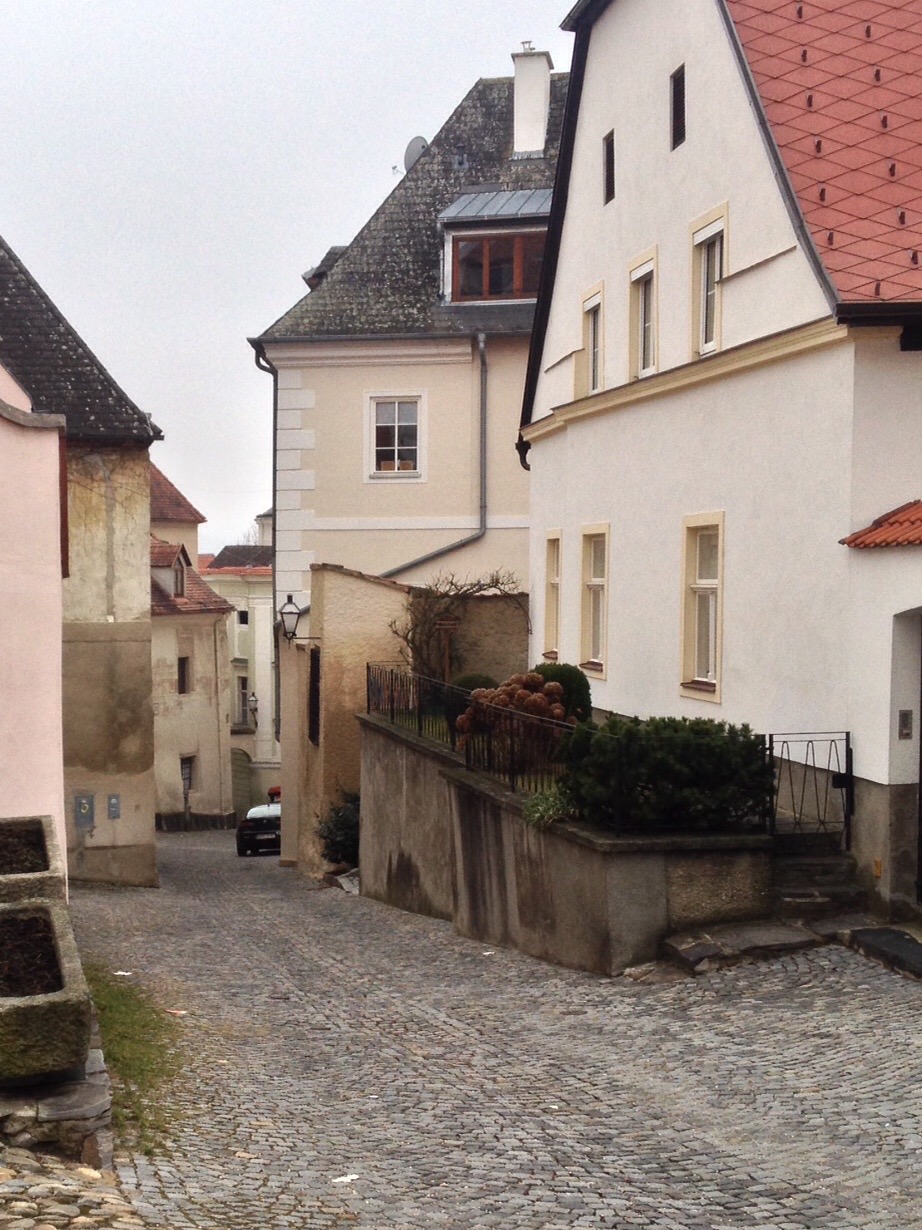
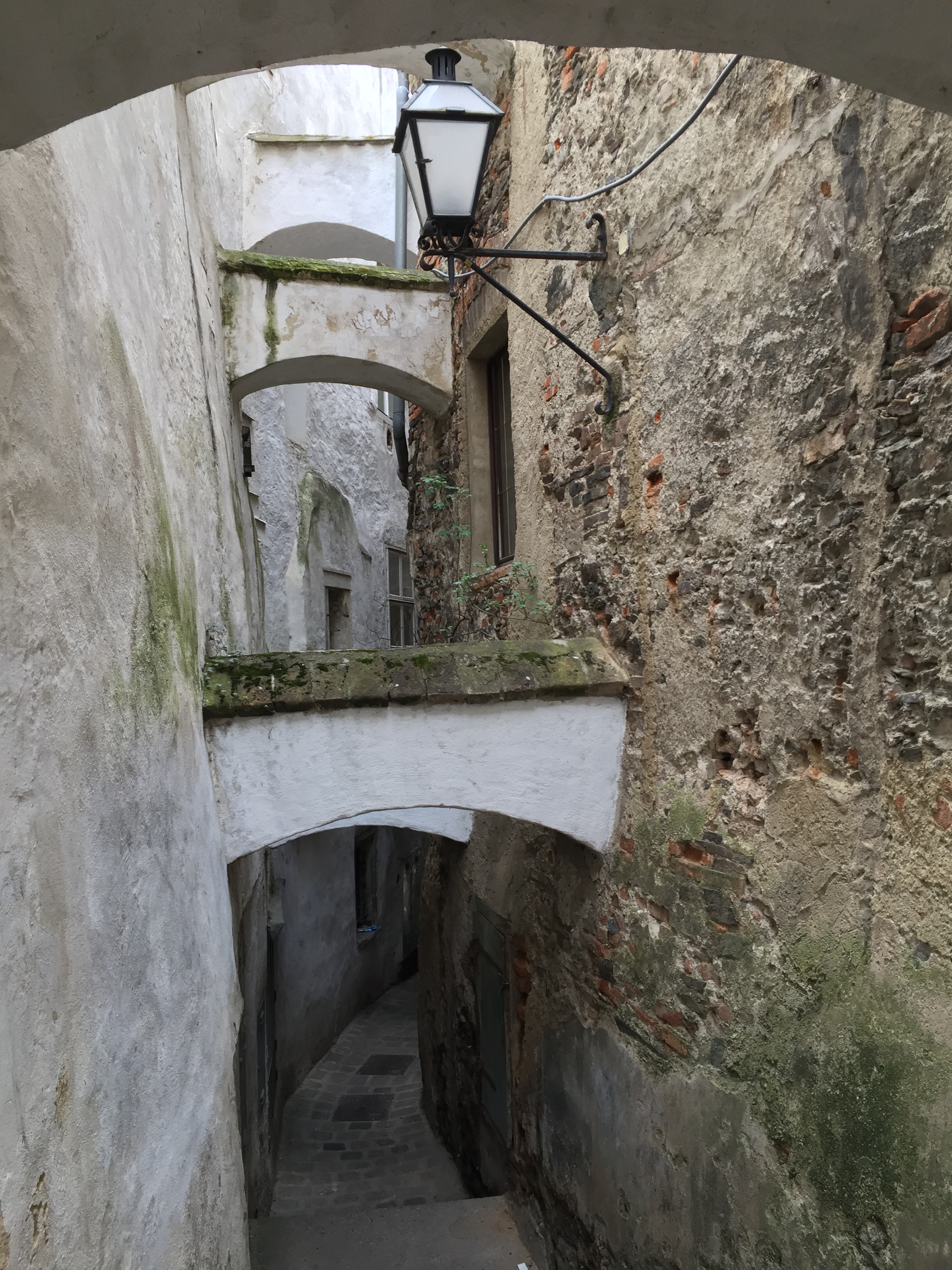
Typical alley in Krems

Nude in the Sauna

Hello, friends! I thought that the title of today’s blog may catch your interest and bring you here to find out what I have been up to!image4

Last week I ventured by train to the foothills of the Alps to the town of Semmering in Lower Austria. As you may recall, I don’t have a car anymore and I have been walking everyday since I arrived in Mijas Pueblo, Spain in October.

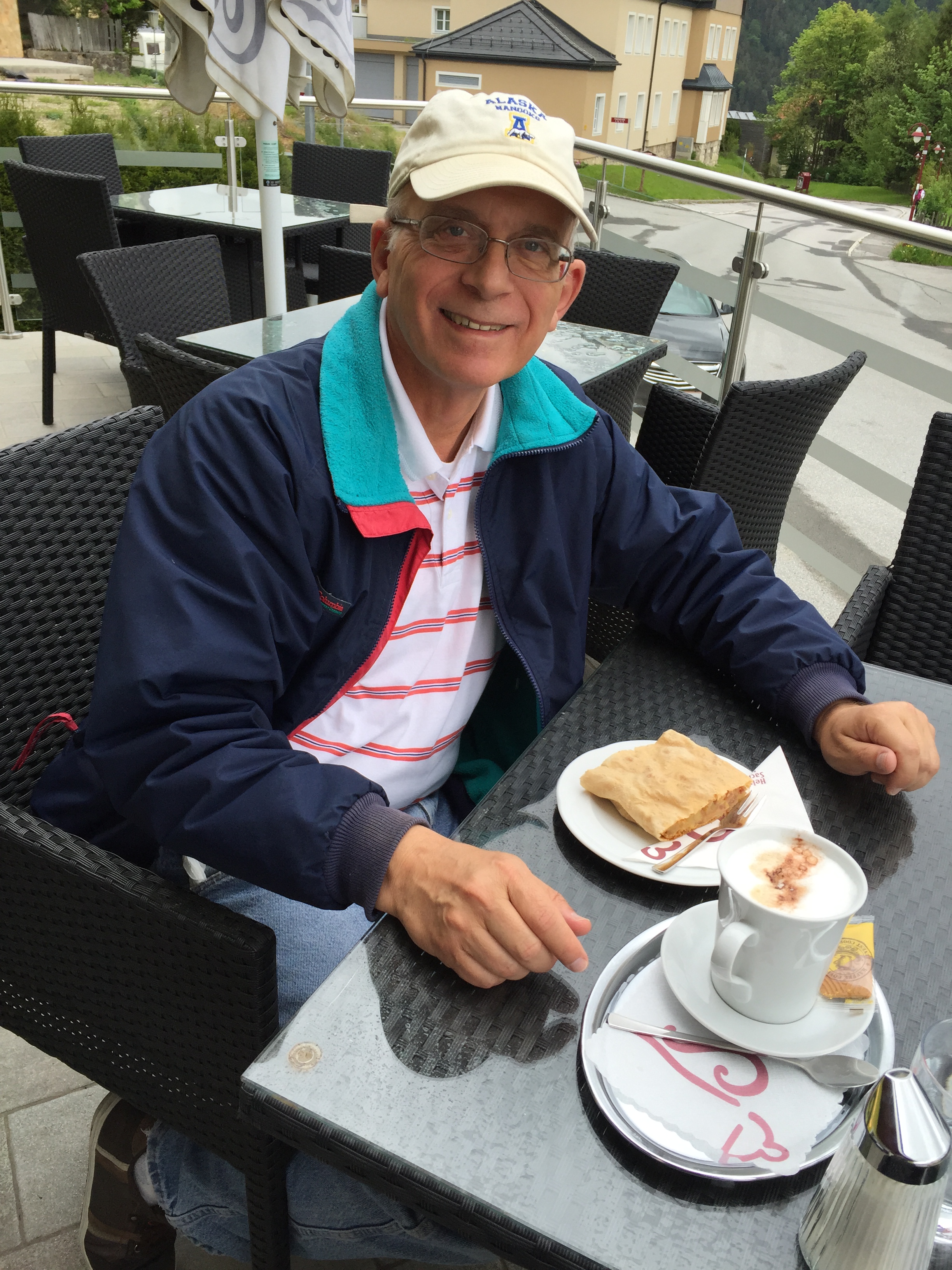
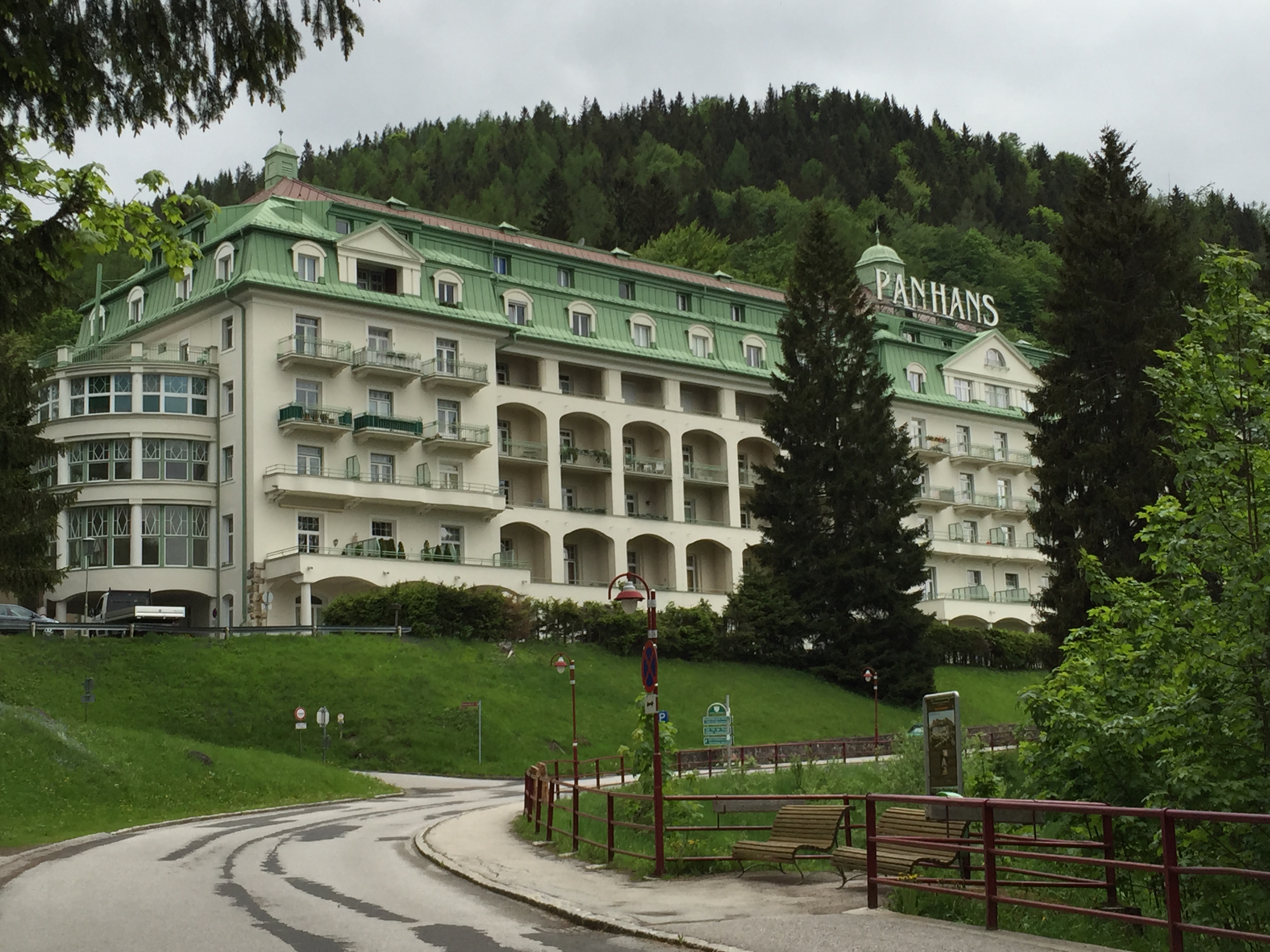
image9The walking has built up my leg muscles and that really paid off as getting to my hotel at 3000 feet required a hike on highway and following marked trails through the woods. With backpack and water, I set out for the Hotel Panhans from the Semmering train station in what seemed to be at a minimum a 30 degree angle (which I am sure it isn’t). Had I not been doing so much walking since my arrival in Europe, it is questionable if I could have completed the trek. But I did! On arrival it was wonderful to relax with a coffee and some strudel.

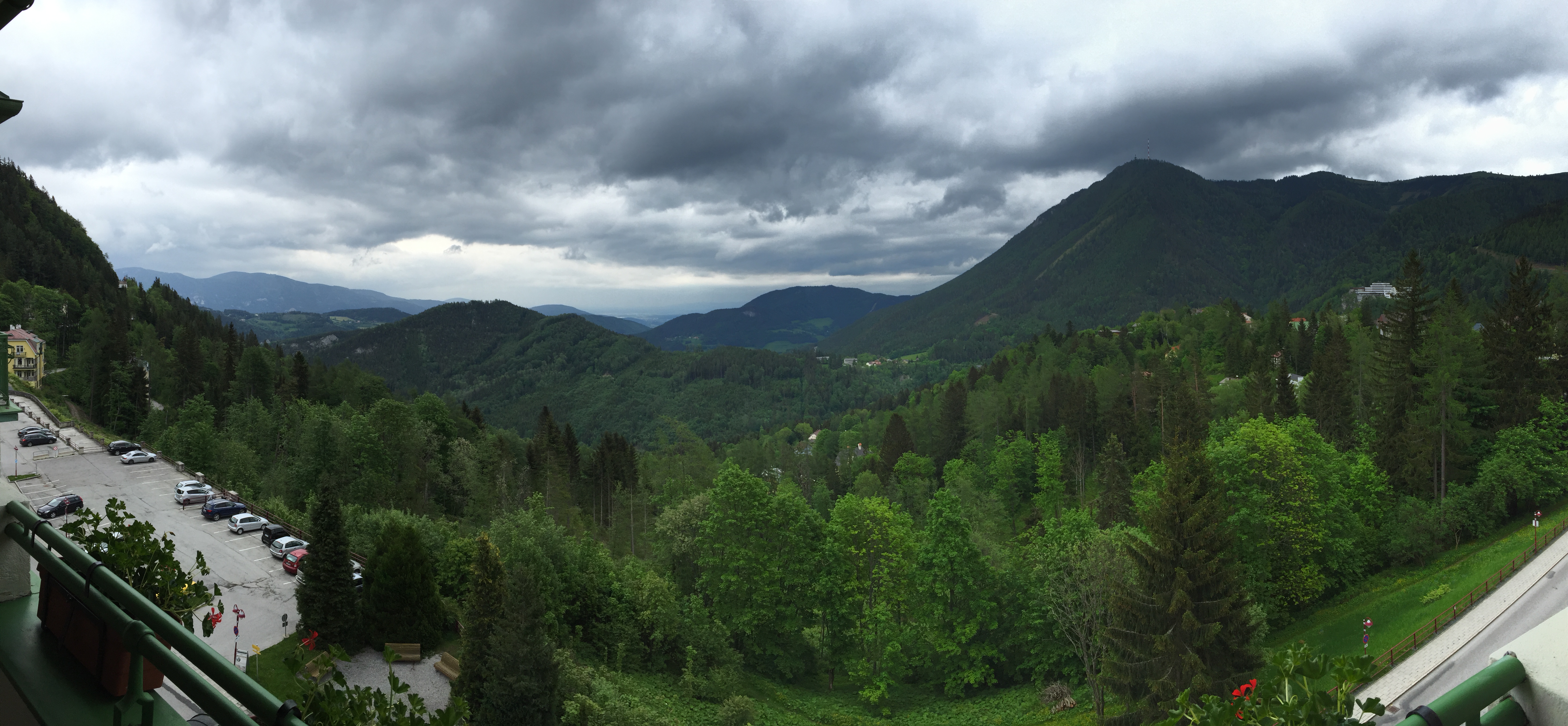
I found Hotel Panhans on a web travel site and really didn’t know anything about it. On arrival I could tell that this was going to be special, image6Everything was spotless and well maintained. The staff provided service the way one would imagine it to be at a first class hotel from the 1800’s… which is exactly Hotel Panhans! My room was front-facing and the view of the mountains was breathtaking from my over-sized balcony with table and chairs on a tiled floor. The hotel has wonderful accommodations for their guests. One feature is the spa with sauna, pools, etc…. Actually there are three saunas and three pools each set at different temperatures.

When I went into the sauna I wore my swimming trunks without giving it a thought. I spread my towel on the hot wood planks and immediately the sweat oozed from my forehead and then the rest of me as my body began to turn pink. So this is what it feels like for a salmon to bake on a plank! Soon others arrived BUT none of the six people in their 30’s had anything on! I mean not a stitch! I was a bit uneasy and the heat in the room wasn’t just caused by the sauna’s thermostat settings! I found it difficult to find a place to fix my eyes and not be offending anyone! Soon I left and came to learn that in many places in Europe that my experience was not unique and that wearing something wasn’t considered to be appropriate. Who knew!

image5So that’s my story today from the mountains in Semmering where food delicacies abound and are complimented with new experiences in the sauna!  Semmering is a beautiful, fairy tale place and I am enclosing above a panoramic photo of the view of the mountains from my balcony.

Gladiators

gladiator_movie_russel_crowe_3_1024x1024_wallpapername.comIn the movie Gladiator, Russell Crowe plays the role of Maximus, son of Emperor Marcus Aurelius. Maximus’ life is relegated to fighting for his life as a gladiator after Commodus takes power and strips Maximus of his general officer rank. By several historical accounts, however, Maximus, as portrayed in the movie, is largely fictitious and a composite of several individuals. But Emperor Marcus Aurelius is real and died in 180 AD in a Roman camp in modern-day Vienna, Austria which is about an hour and a half from my apartment in Krems. Roman influence is still sometimes felt throughout the region. Last weekend I went to Tulln (a past Roman settlement) and was reminded of the Roman influence as modern-day gladiators with Maximus’ desire, determination, and dedication competed. More about that later.

photo (15)

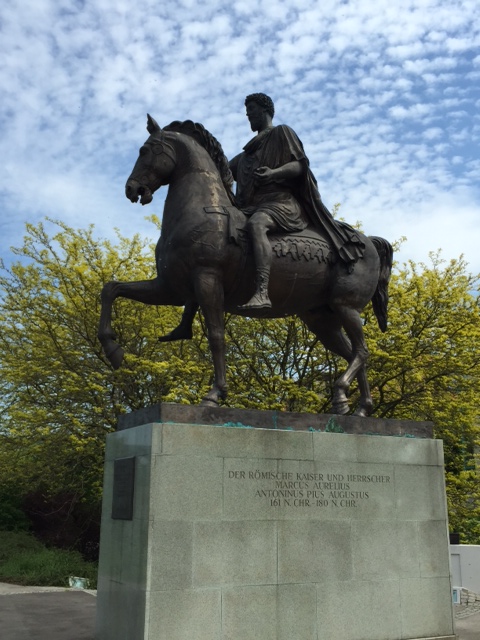
Tulln is located on the right bank of the Danube River between Krems and Vienna and I have journeyed by train there three times in the past couple months. Tulln was settled well before the Romans arrived over 2000 years ago. The Roman Empire had an outpost in present-day Tulln and the Danube at one time was a boundary for the Empire. Near the Danube, in the area where the Roman fort was located, is a statue of Emperor Marcus Aurelius and an excellent museum with artifacts and items attributed to Tulln’s Roman past. There are few visible, physical remnants of the town’s Roman-period existence except those excavated and now preserved in the museum.

I certainly enjoy visiting such historic places like Tulln and museums dedicated to their history. This museum is especially good with numerous artifacts and explanations of them. But on my post-retirement adventure in Europe I also crave several things that are simply American like pancakes with real maple syrup, eating hamburgers with real beef (think about that for a minute and you will understand), and so on…. One such craving is my passion for American football. That is what lured me last weekend to Tulln to see modern-day gladiators with the Tulln Air Force Hawks competing against the Blue Hawks from Asperhofen in a real American football game! It is wonderful that here in the middle of Europe I can experience watching the game I enjoy and witness things that have been incorporated into the game day.

American football in this area is what Americans would call a “club sport.” The players come from all over Lower Austria and are playing for the love of American football. Where football (soccer) is king, these gridsters may eye being discovered for an opportunity to play on an American college football team or may envision a professional career as the NFL in Europe gains traction. Regardless, they are modern-day gladiators.

The announcer spoke in German and added color in English like “Oh my God, quarterback sack!” Each team’s starting players ran onto the gridiron through “smoke” out of a large inflatable helmet as their names were announced. The officials marched onto the field (although out of step) photo (17)and there was real respect  for them. There were cheerleaders too! They came from the Vienna Wildcats and cheered for the Tulln Air Force team. There was a lot of fan noise throughout the game with horns, drums, clappers and other devices to support their hometown team! Noise was unending and only stopped at halftime and during injury time-outs. About 300 faithful fans attended. There was no halftime show and I observed that halftime was like a social outing among friends.

On the initial kick-off a player was injured. Every player on the manicured grass field and sidelines and every cheerleader went on a knee for this and each time a player was injured. I thought it to be respectful and almost like they were jointly sending a prayer that the injury not be serious. The food at the concession stand was interesting. Remember, this is Austria. The choices on the chalk menu were grilled frankfurters, grilled hamburgers (see note above), and, of course, grilled pork. Beer, wine and Coke were also sold along with cigarettes which were permitted to be smoked anywhere other than in the bleacher area.

photo (19)Finally, Tulln’s gridsters just didn’t have an adequate passing quarterback and lacked a punter so they ran on every fourth down (including a 4th and 20 from their own 20!). Asperhofen’s Blue Hawks had a dominating defense and at the end, the hometown gladiators lost the contest. However, I give them and the game a “thumbs up” as each of the modern-day gladiators, the fans, and I enjoyed the day of American football.

The “Little Rose Garden” of the Wachau Valley

My travel adventures have taken me throughout the United States and every continent. I have fond memories of the terracotta soldiers in China, huge tortoises in the Galápagos, Uluru in Australia, penguins in Antarctica, going inside the Great Pyramid in Egypt, walking around Stonehenge in England, and many more! But I must say that the Wachau Valley in Austria with the Danube River flowing through it is certainly the most beautiful location I have ever visited.

Yesterday, I journeyed to the heart of the Wachau Valley, reminiscent of complicated journeys of the past by tour boat, car ferry, hiking, and bus. The journey itself took plenty of time, particularly when I found myself on the wrong side of the Danube (thus the need for the ferry)! But my digression leads me to the heart of this blog when I visited Burgruine Aggstein, the castle ruin high atop a mountain overlooking the river. There is a fantastic aerial view of the castle by going to this link.

There is a medieval event at the ruins at the moment. People are arriving in costumes and there are tents where people are selling food, drink, medieval-looking toys, jewelry and many other things. My goal was to tour the castle, which I accomplished. However, I also ate a hearty meal of roasted ham, grilled cabbage, and a dough ball that contained I know not what except for the horseradish that lingered through the night!

It is believed that the castle was constructed in the 12th century on a natural rock formation. It is located approximately 300 meters above the river and has excellent views of the river in either direction. The strategic value was to excise bounty from the merchants as they moved their goods past this point by boat. For example, the castle dungeon held many until a handsome ransom would be paid! You can learn more about Aggstein by clicking this link.

IMG_0359
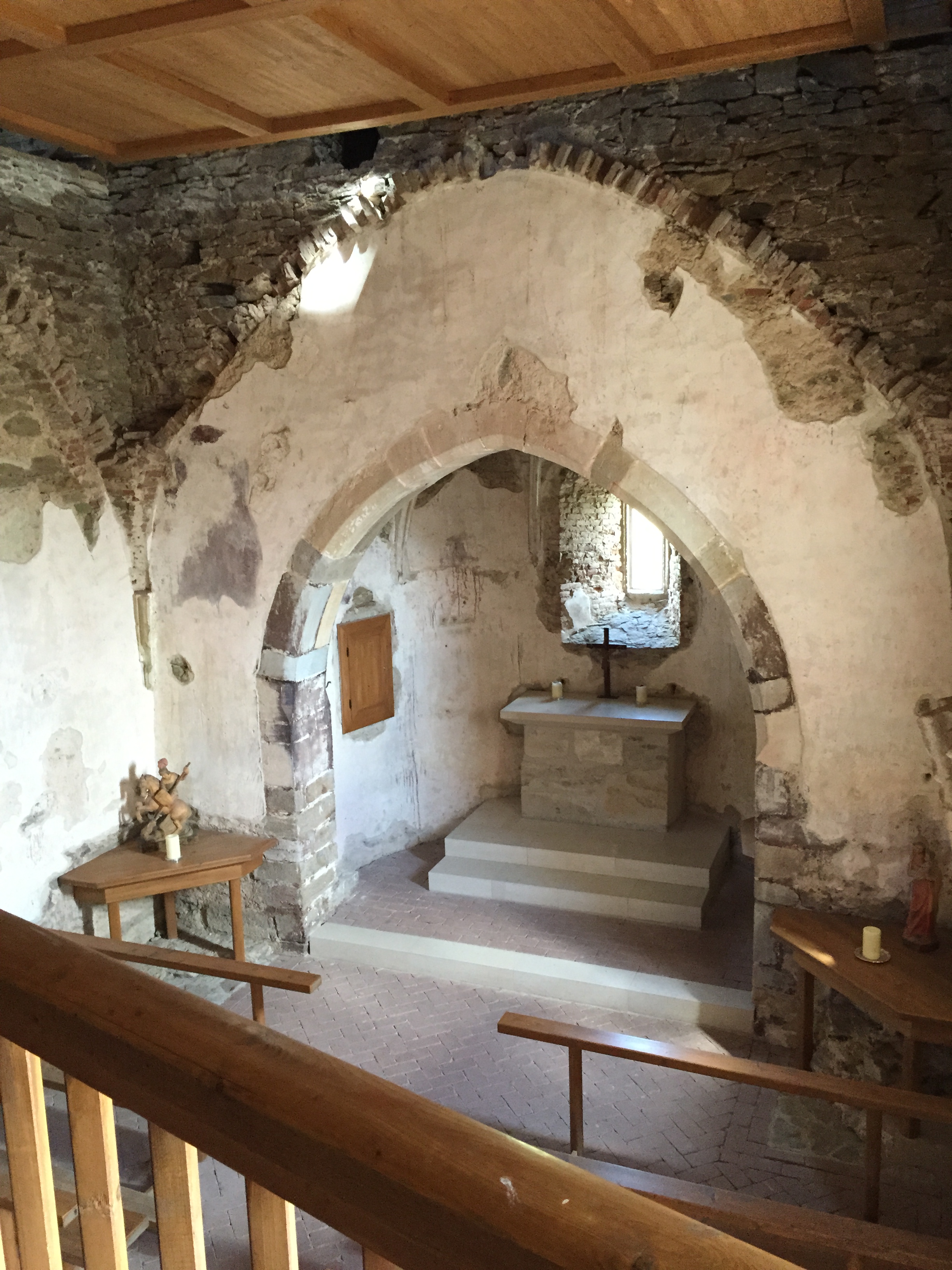
Aggstein Chapel
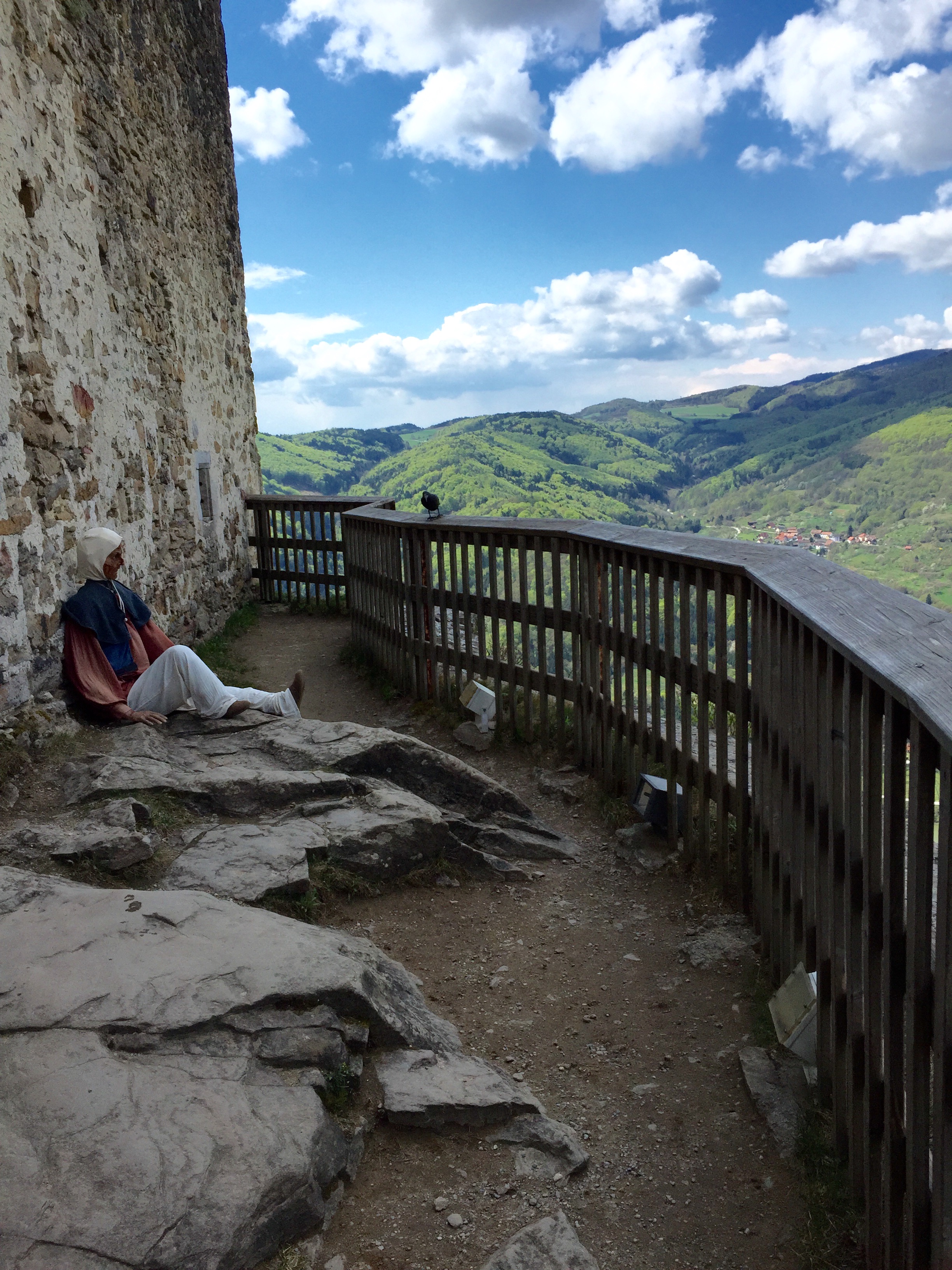
The castle contains interesting places such as a blacksmith shop, bakery, chapel, etc…but the title of this blog is about the “little rose garden” of owner Jorg Scheck who acquired the castle in 1429. He was a very brutal person. He is someone you just didn’t want to mess with as those he determined he didn’t care for soon found themselves on a rocky outcrop high on the mountain. It is about 1 -2 meters by 7-10 meters. Prisoners had a choice from this perch. They could starve as they were exposed to the elements or they could jump to their death from this steep cliff. Scheck was a cynical person and referred to this outcrop as his “little rose garden.”

The "little rose garden" with a prisoner contemplating his fate
The “little rose garden” with a prisoner contemplating his fate

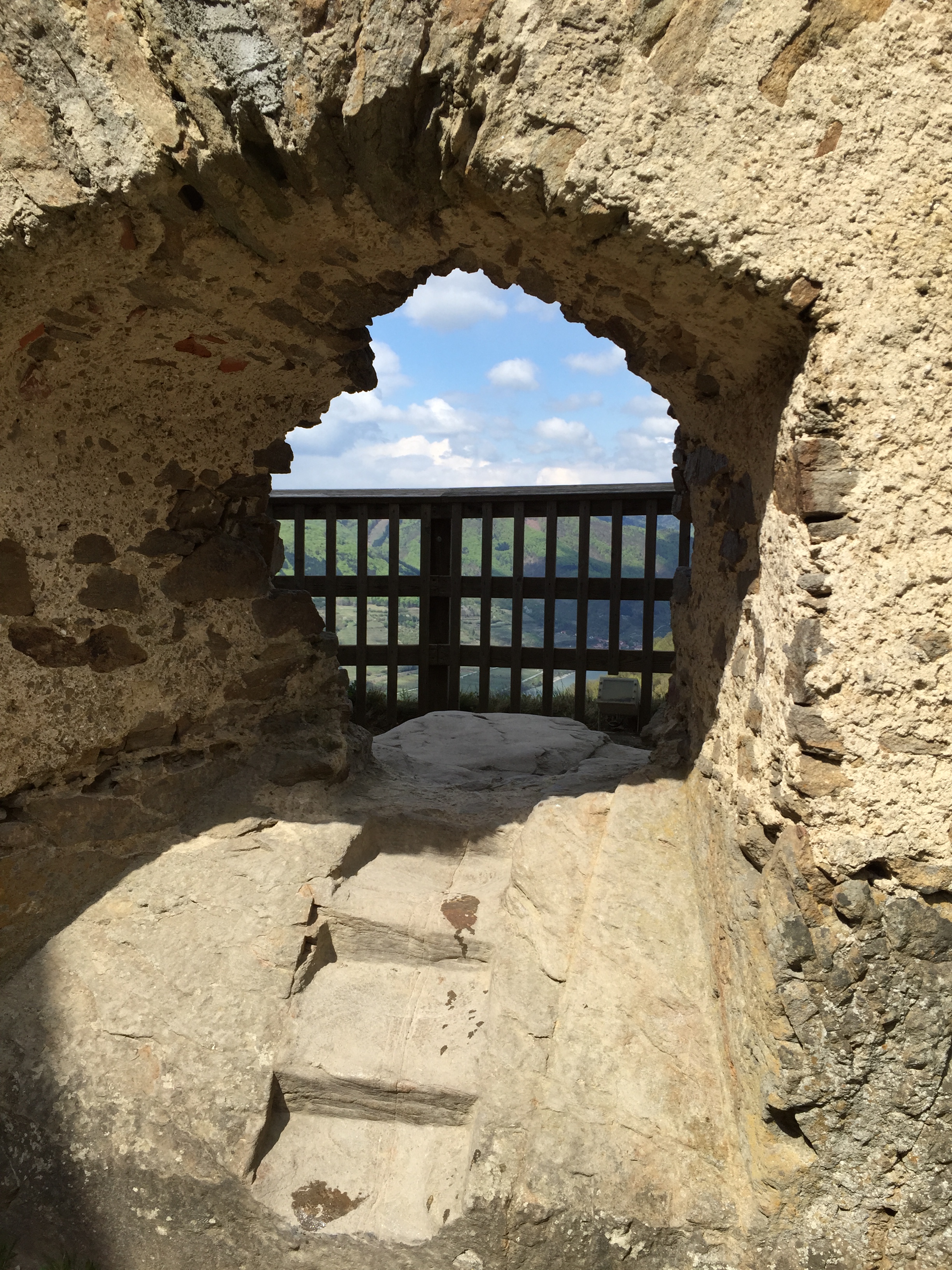
Rose Garden Entrance
I have included a photo leading to the rose garden through the thick castle wall. Note the carved out steps worn smooth over the centuries. And also pictured is the rose garden itself.

Many visit the Wachau Valley but river cruises may not stop at a place convenient to visit Burgruine Aggstein. This is really too bad. If you come to the area, this is one place to not miss.

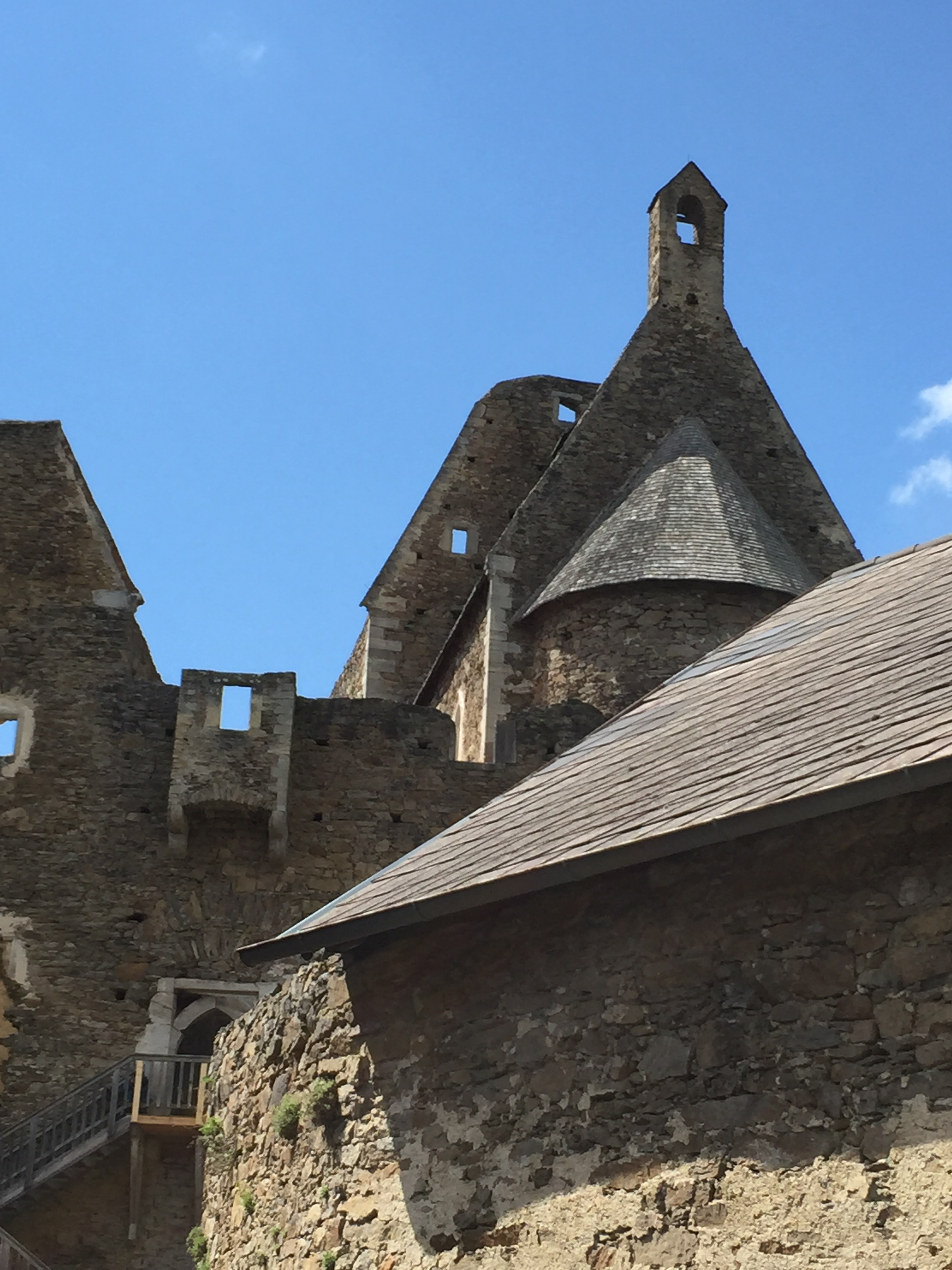
Inside Aggstein
Inside Aggstein

“Old” is a Relative Term in Krems, Austria

So the past few days I have been out and about in Krems, Austria and there is so very much to absorb here! Yesterday alone I walked over 7 miles in awe! I am like a sponge soaking up Krems and I admit it is overwhelming! I will be writing more in the future about what I am seeing and doing as well as my reflections of this beautiful, historic town and area along the Danube River.

As I have said previously, Krems is “old” and I am so consumed with the architecture that I am rapidly filling the memory in my iPhone as I take one photo after another. But today I felt like I have to draw a line otherwise I would be taking pictures of everything! So the line I drew is this…unless it has some particular aesthetic value, I want to take photos if the structure (or whatever) came about prior to 1600! So that, for now, will be my guide for photographing and sharing “old” Krems.

FullSizeRender (4)Krems is the eastern gateway to the Wachau Valley which is a World Heritage Site. Today I want to share with you a photo of a local fountain and the story that goes with it, The fountain is near my apartment and is of a man on a knee before a woman with the inscription “SIMANDL”. I thought it was a man proposing marriage but it turns out that “simandl” means “henpecked!” The monument is about the story of the town’s men and, in this case, a man imploring his wife to give him the house key so he can participate in a man’s night out! You can read more about this very interesting fountain at this link here.

The food is terrific! I have eaten pork in many ways and there are so many cafes to grab a fragrant coffee, bold wine, or warm strudel in vanilla sauce. Even though it was cold today, I along with others ate fresh-made ice cream! Who can resist a cone for 1 Euro (about $1.10)!

More soon, my friends!